Understanding basic car repairs can save you time and money. Equipped with the right knowledge, you can take care of routine maintenance to extend the lifespan of your vehicle. This guide covers essential repairs you should be familiar with as a car owner.
By mastering these tasks, you not only gain confidence but also ensure a safer driving experience. Let’s delve into some common car repairs that every car owner should know about.
1. How to Check and Change Your Car’s Oil?
Changing your car’s oil is imperative for optimal engine performance. Regular oil changes reduce engine wear and keep the car running smoothly. Old oil can become gritty and cause engine parts to grind, leading to costly repairs down the line. It’s recommended to change your engine oil every 5,000 to 7,500 miles, depending on your car’s make and model. Doing it yourself saves money and trips to the mechanic, making it a key skill for all car owners.
In preparation for an oil change, you’ll need certain tools on hand. Gather an oil filter wrench, a socket wrench set, a drain pan, and enough fresh oil as per your car’s requirements. You might also require a jack and jack stands if your car sits low. The right tools will make the process smoother and safer. Always ensure you wear gloves for safety and avoid any contact with old, dirty oil.
Follow these steps for a successful oil change that will keep your engine purring. First, ensure the engine is cool by turning off the ignition and waiting for 30 minutes. Then, safely elevate the car using a jack and secure it on stands. Unscrew the drain plug, capturing the old oil into your pan. Replace the plug, swap out the oil filter with a new one, and fill the engine with fresh oil. Checking for leaks is the final step before lowering the car back to the ground.
2. What Steps Should You Follow to Change a Flat Tire?
Changing a flat tire is one of those essential skills every driver should possess. It prevents you from being stranded on the side of the road and having to wait for help. First and foremost, safety should be your priority, which involves ensuring the car is parked on stable, flat ground and that your hazard lights are on. A flat tire can happen anytime, so knowing how to quickly and safely replace it brings peace of mind on long journeys.
Prepare for tire changes by keeping an emergency kit in your trunk, which includes a spare tire, a jack, and a lug wrench. A flashlight and reflective vest are also handy during nighttime or low visibility situations. Having these tools within reach means you won’t have to worry if a flat tire occurs when you’re far from assistance. It’s worthwhile to periodically check your spare tire’s condition and pressure, as an unused tire can still degrade over time.
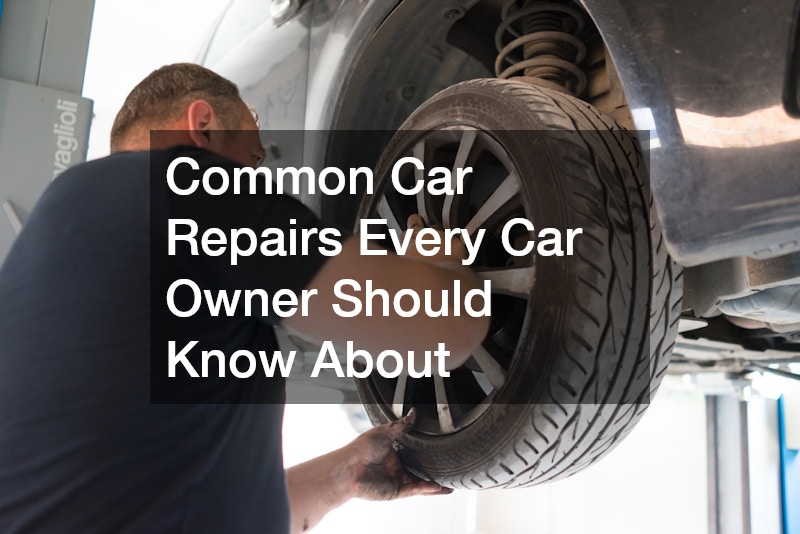
Once prepared, the process of changing a tire involves a few key steps. Begin by loosening the lug nuts slightly while the wheel is still on the ground – this prevents the wheel from spinning during this step. Use the jack to lift the vehicle until the tire is off the ground. Completely remove the lug nuts, set them aside safely, then take off the flat tire. Mount the spare wheel, tighten the lug nuts by hand first, and then use the wrench once the car is lowered back to use. Proper tightening ensures safety and reliability until you can get the tire repaired or replaced professionally.
3. How Can You Maintain Your Brakes for Optimal Performance?
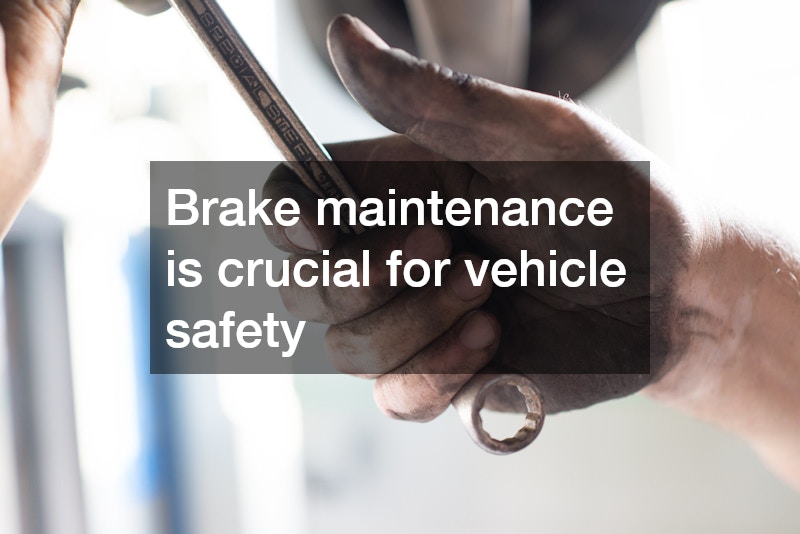
Brake maintenance is crucial for vehicle safety, as faulty brakes can lead to accidents. Understanding the brake system is the first step in ensuring they perform effectively. Car brake systems typically comprise components like brake pads, rotors, calipers, and lines. Keeping these parts well maintained ensures responsive stopping power when needed. Regular inspection can reveal areas that need immediate attention, thus preventing bigger issues from developing.
One of the prominent indicators of brake problems is wear. Symptoms include squealing noises when applying the brakes, a vibrating brake pedal, and a softer pedal that sinks to the floor. Such signs usually indicate worn brake pads or contaminated brake fluid. Recognizing these symptoms early allows time for remedial measures before the braking system fails completely, ensuring your vehicle remains safe.
4. Why is Regular Battery Maintenance Essential?
Car batteries are the lifeblood of your vehicle’s electrical system, powering everything from the engine start to electronic accessories. As batteries age, they can lose charge and capacity, potentially leading to inconvenient breakdowns. Many modern vehicles use maintenance-free batteries that require minimal upkeep, but periodic checks remain essential for all battery types. Maintaining the battery involves checking for corrosion, ensuring tight connections, and occasionally testing the charge level.
One sign that your battery is failing is a slow engine crank or dimming headlights. Or, if you notice electronics struggling when the car is off, you may have a battery nearing its end. Regular visual inspections can catch these issues early, preventing complete battery failure. Cleaning corroded battery terminals with a mix of baking soda and water keeps connections firm and ensures efficient power flow. Handling battery maintenance is a straightforward yet often overlooked task that can significantly extend your battery’s life.
An essential skill for car owners is learning how to jump-start a vehicle. A jump-start can bring a drained battery back to life using another vehicle’s battery. Keep a set of quality jumper cables in your vehicle and know the correct sequence for connecting them. In the event you need a new battery, choose a replacement with the proper voltage and reserve capacity recommended for your vehicle. Regular battery maintenance mitigates the risk of unexpected failures, ensuring your car starts reliably every time.
By familiarizing yourself with these common car repairs, you gain critical skills to keep your vehicle running efficiently and safely, ensuring peace of mind on the road. Each repair process you undertake not only saves you money but also empowers you with greater confidence in handling your car. Routine checks, along with knowing when to seek professional help, shape the essence of responsible vehicle ownership. Remember that learning car maintenance is an ongoing journey, requiring patience and practice. Ultimately, these skills enrich your driving experience, offering reliability and performance across every journey.