Experiencing a vehicular accident is a jarring event, and the aftermath often leaves owners overwhelmed by the sight of twisted metal and shattered glass. However, the modern collision repair shop is a facility of high-tech restoration, where skilled technicians employ a blend of structural engineering and artistry to return a vehicle to its pre-accident condition. Understanding the step-by-step process that occurs behind the bay doors can provide peace of mind and help you set realistic expectations for the timeline of your vehicle’s recovery.
The process begins with a meticulous damage assessment. When a vehicle first arrives at the collision repair shop, it undergoes more than a simple visual inspection.
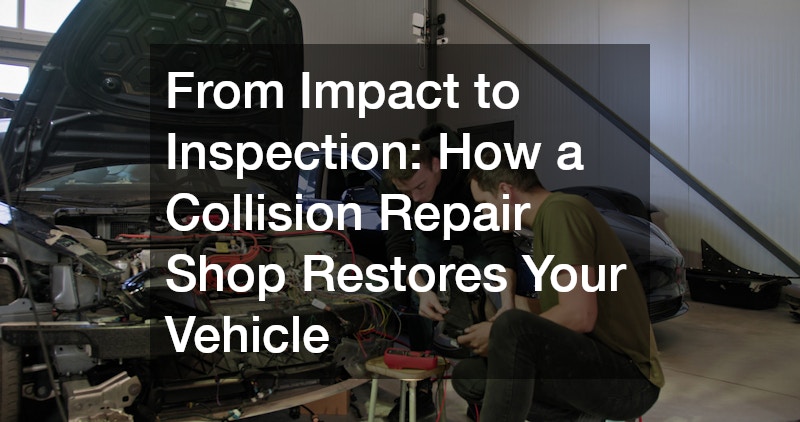
Technicians often perform a “tear-down,” removing damaged body panels to inspect the underlying frame and mechanical components. This is a critical stage because modern cars are designed with “crumple zones” that absorb energy during an impact; while the exterior might look repairable, the internal structure may have shifted. The shop then utilizes specialized software to create a detailed blueprint and estimate, which is shared with the insurance provider to ensure all necessary repairs are authorized.
Once the structural integrity is assessed, the frame realignment phase begins. If the vehicle’s frame or unibody has been compromised, the collision repair shop utilizes a computerized frame-straightening machine. This equipment uses hydraulic pressure and ultrasonic measuring systems to pull the metal back to the manufacturer’s exact specifications, often within a fraction of a millimeter. Ensuring the frame is perfectly square is vital, as an unaligned frame can lead to uneven tire wear, poor handling, and compromised safety in the event of a future collision.
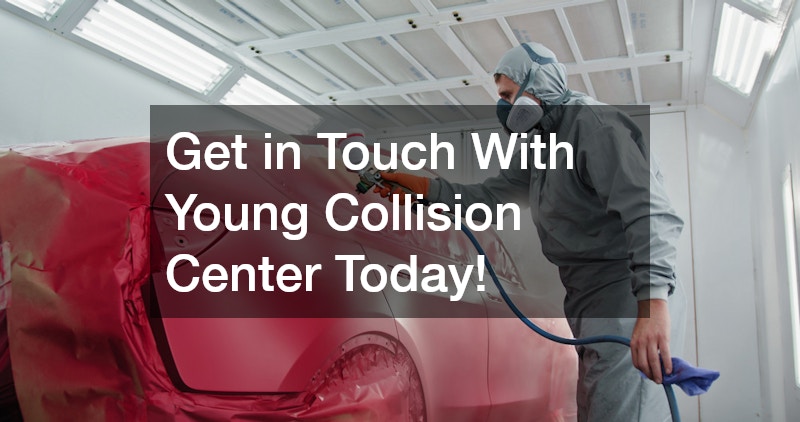
Following structural repairs, the focus shifts to bodywork and panel replacement. New panels are fitted, and any minor dents in the existing metal are meticulously smoothed out using specialized tools and fillers. This leads into the most visually transformative stage: the paint process. A professional collision repair shop uses computer-controlled paint-mixing systems to match the vehicle’s original factory color perfectly. The car is moved into a climate-controlled spray booth where several layers of base coat and clear coat are applied. This environment prevents dust and contaminants from ruining the finish, resulting in a factory-fresh appearance that is indistinguishable from the original paint.
The final stage involves reassembly and a comprehensive quality control check. Technicians reinstall lights, trim pieces, and interior components that were removed during the initial tear-down. This is also when electronic systems are recalibrated; modern vehicles are equipped with sensors for parking assistance, lane departure warnings, and airbags that must be reset to function correctly. Before the keys are handed back to the owner, the collision repair shop performs a road test and a final detailing to ensure every bolt is tightened and every surface is polished. This rigorous process ensures that the vehicle is not only aesthetically restored but is also structurally sound and safe for the road.