Introduction: Why Preventative Vehicle Care Saves Money and Improves Reliability
Vehicle ownership involves much more than fueling up and responding to breakdowns when they occur. Every vehicle relies on a combination of mechanical systems, safety components, structural materials, and protective finishes that work together to provide reliable transportation. When these systems are maintained consistently, vehicles perform more efficiently, last longer, and retain stronger resale value. However, when maintenance is neglected, small problems often grow into major and expensive repairs.
One of the biggest mistakes vehicle owners make is waiting until visible symptoms become severe before addressing concerns. A minor brake vibration may eventually lead to rotor damage. Small windshield chips can expand into full cracks after temperature changes. Wheel damage from potholes may slowly affect suspension alignment and tire wear. Even cosmetic neglect can reduce long-term vehicle value by exposing paint and interior materials to unnecessary deterioration.
Preventative maintenance offers a more practical and cost-effective approach. Regular inspections, fluid checks, tire monitoring, and protective upgrades allow drivers to identify issues early while improving safety and reliability. Strategic improvements also help vehicles better withstand harsh weather, road debris, and daily wear.
Modern vehicles face increasing demands from heavy traffic, changing weather conditions, and extended daily use. Trucks are often expected to tow and haul larger loads, while personal vehicles are used for commuting, travel, and recreational activities. Utility vehicles such as golf carts are also seeing increased use in residential communities, resorts, and commercial environments. These increased demands make proactive maintenance more important than ever.
Another important factor is coordination. Vehicle systems do not operate independently. Tire condition affects suspension performance, brake wear influences overall safety, and exterior protection impacts long-term structural integrity. Maintaining these systems together creates a safer and more efficient ownership experience overall.
This guide explores practical ways vehicle owners can protect their investments through preventative maintenance and strategic upgrades. By focusing on both mechanical reliability and long-term protection, drivers can improve performance, safety, appearance, and overall vehicle lifespan while reducing the likelihood of costly emergency repairs.
Protect Daily Drivers and Recreational Vehicles from Premature Wear
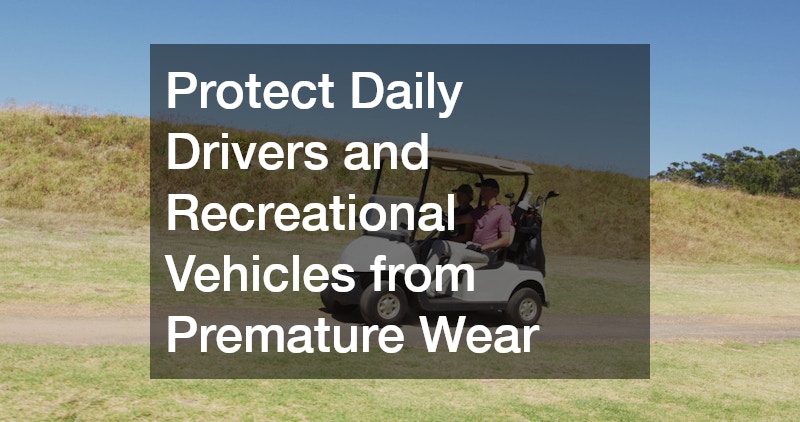
Golf carts and small utility vehicles may appear simpler than passenger vehicles, but they still require regular maintenance to remain reliable and safe. Whether used on golf courses, within residential communities, or for commercial purposes, these vehicles experience continuous wear from daily operation, environmental exposure, and seasonal storage conditions.
Routine golf cart service helps identify developing issues before they lead to expensive repairs or unexpected breakdowns.
Common areas requiring maintenance include:
- Batteries and charging systems
- Tires and wheel alignment
- Steering and suspension components
- Braking systems
- Electrical wiring and lighting
Battery care is especially important because many golf carts rely on electric systems. Poor charging habits and improper storage can shorten battery lifespan significantly.
Preventative battery maintenance includes:
- Charging batteries fully after use
- Cleaning corrosion from terminals
- Monitoring water levels where applicable
- Avoiding prolonged storage without charging
Tire condition also affects handling and ride quality. Uneven wear often indicates alignment or suspension concerns that should be addressed early.
Additional maintenance recommendations include:
- Inspecting brakes regularly
- Lubricating moving suspension parts
- Keeping vehicles clean to prevent corrosion
- Protecting carts from prolonged moisture exposure
Seasonal storage practices are another important consideration. Vehicles stored during colder months should be protected from freezing temperatures and battery degradation.
Additional storage strategies include:
- Disconnecting batteries during long-term storage
- Covering vehicles to protect against dust and moisture
- Storing in dry, temperature-controlled areas when possible
Routine servicing improves reliability while extending the lifespan of recreational and utility vehicles.
Preserve Exterior Finish and Reduce Long-Term Cosmetic Damage
Vehicle exteriors face constant exposure to sunlight, road debris, moisture, salt, insects, and environmental contaminants. Without protection, these conditions gradually damage paint surfaces and reduce long-term appearance and value.
A professional ceramic coating service helps create a protective layer that resists contaminants while improving gloss and ease of cleaning. Ceramic coatings bond to paint surfaces and provide long-term resistance against UV damage, oxidation, and water spotting.
Benefits of ceramic coatings include:
- Enhanced paint durability
- Easier cleaning and maintenance
- Protection against UV fading
- Improved resistance to chemical contaminants
Another effective protective solution is paint protection film. Unlike coatings, protective film physically absorbs impacts from small rocks and debris that would otherwise chip or scratch paint surfaces.
Common areas protected with film include:
- Front bumpers
- Hoods and fenders
- Mirrors and door edges
- Rocker panels
Both systems work best when applied to properly prepared paint surfaces.
Preparation often includes:
- Paint correction to remove imperfections
- Thorough decontamination and cleaning
- Surface polishing for smooth application
Homeowners should also follow proper maintenance habits after protection systems are installed.
Recommended maintenance practices include:
- Using non-abrasive cleaning products
- Avoiding harsh automatic car washes
- Washing vehicles regularly to remove contaminants
- Inspecting protective surfaces for wear or lifting
Protective upgrades preserve appearance while helping vehicles retain stronger resale value over time.
Prevent Wheel and Suspension Problems Before They Affect Safety
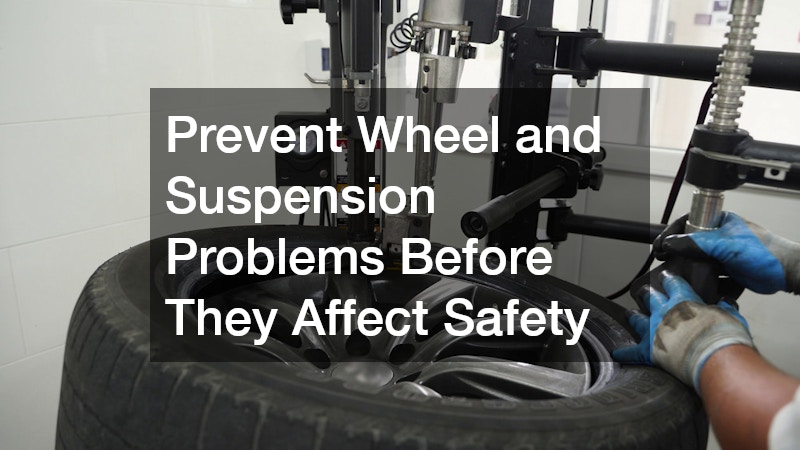
Wheels and suspension systems absorb constant stress from potholes, uneven pavement, curbs, and debris. Even minor impacts can bend rims or affect alignment, creating handling problems that worsen over time.
Professional rim straightening helps restore damaged wheels before vibration and uneven tire wear create larger suspension or steering problems.
Common signs of wheel damage include:
- Steering wheel vibration
- Uneven tire wear
- Difficulty maintaining alignment
- Air pressure loss from damaged rims
- Noticeable wobbling at higher speeds
Ignoring wheel damage often leads to:
- Suspension strain
- Premature tire replacement
- Reduced fuel efficiency
- Unsafe handling characteristics
Drivers who frequently encounter rough roads should inspect wheels regularly for damage.
Preventative driving habits include:
- Slowing down near potholes and rough surfaces
- Avoiding curbs during parking
- Maintaining proper tire pressure
- Rotating tires regularly
Alignment checks are also important after significant impacts or when new tires are installed.
Additional suspension protection strategies include:
- Monitoring shocks and struts for wear
- Inspecting wheel bearings regularly
- Addressing steering issues promptly
- Replacing worn suspension components before failure occurs
Proper wheel maintenance improves both driving safety and long-term tire lifespan.
Maintain Reliable Stopping Power and Driving Safety
Brake systems are among the most critical safety components in any vehicle. Because brakes experience constant friction and heat, regular inspections and maintenance are essential for reliable performance.
Routine brake repair helps prevent minor wear from developing into dangerous system failures.
Common warning signs of brake problems include:
- Squealing or grinding noises
- Vibrations while braking
- Soft or spongy brake pedals
- Increased stopping distance
- Pulling to one side during braking
Brake systems include multiple components that wear over time, including:
- Brake pads
- Rotors
- Calipers
- Brake fluid
Delaying maintenance often increases repair costs because worn pads eventually damage rotors and other components.
Preventative maintenance practices include:
- Inspecting brake pads regularly
- Replacing brake fluid as recommended
- Monitoring rotor condition
- Addressing unusual noises immediately
Driving habits also affect brake lifespan significantly.
Ways to reduce brake wear include:
- Avoiding aggressive braking whenever possible
- Maintaining safe following distances
- Reducing speed gradually instead of sudden stops
- Avoiding excessive vehicle overloading
Seasonal weather conditions create additional stress on braking systems. Snow, ice, and moisture increase corrosion risks and require more frequent inspections.
Reliable braking performance protects both passengers and other drivers while reducing long-term repair expenses.
Build a Long-Term Relationship with Qualified Repair Professionals
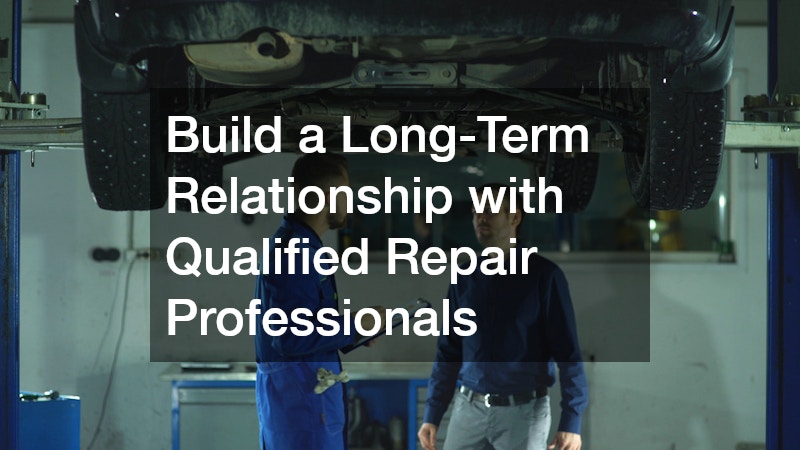
Finding a trustworthy auto repair shop is one of the most valuable steps drivers can take toward long-term vehicle reliability. Consistent maintenance performed by experienced professionals helps identify developing issues before they become expensive emergencies.
Routine inspections are especially important for modern vehicles because many systems rely heavily on computerized diagnostics and integrated electronic controls.
Benefits of routine professional maintenance include:
- Early problem detection
- Improved fuel efficiency
- Better system reliability
- Accurate maintenance records
Choosing the right repair provider involves several factors.
Important qualities to look for include:
- Transparent communication
- Clear repair explanations
- Certified technicians
- Positive customer reviews
- Detailed written estimates
Preventative diagnostics are also becoming increasingly valuable as vehicles become more technologically advanced.
Common inspection areas include:
- Fluid condition and levels
- Suspension wear
- Battery performance
- Tire alignment and tread condition
- Engine warning systems
Keeping detailed service records benefits both maintenance planning and resale value.
Additional maintenance planning strategies include:
- Scheduling inspections before long trips
- Following manufacturer service intervals
- Addressing warning lights immediately
- Coordinating multiple services during one appointment
Strong relationships with qualified repair professionals improve vehicle reliability while helping drivers make better long-term maintenance decisions.
Prevent Visibility and Structural Safety Problems from Spreading
Windshields provide more than visibility alone. Modern automotive glass contributes significantly to structural integrity, roof support, and airbag deployment performance during collisions.
Small chips and cracks may appear minor initially, but temperature fluctuations and road vibrations often cause them to spread quickly.
Routine windshield repairs help prevent:
- Reduced driver visibility
- Structural weakness
- Complete windshield replacement costs
Common causes of windshield damage include:
- Road debris and rocks
- Rapid temperature changes
- Hail impacts
- Improper windshield wiper usage
Small chips are usually easier and less expensive to repair than larger cracks.
Drivers should seek repairs quickly when they notice:
- Star-shaped cracks
- Expanding edge damage
- Distortion affecting visibility
- Moisture entering damaged areas
Preventative practices also help reduce glass damage risks.
Recommended habits include:
- Avoiding sudden temperature changes inside vehicles
- Maintaining safe following distances from trucks
- Replacing worn windshield wipers promptly
- Parking in protected areas during severe weather when possible
Well-maintained glass improves both safety and driving visibility.
Improve Comfort, Privacy, and Interior Protection
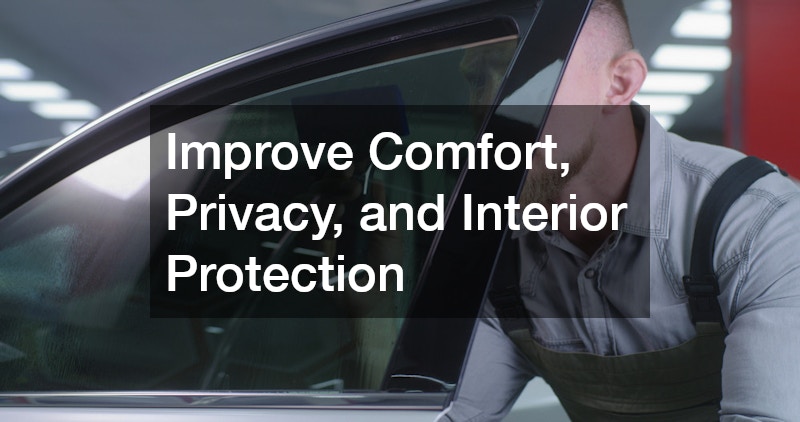
Vehicle interiors experience continuous exposure to sunlight and heat. Over time, UV radiation causes fading, cracking, and material deterioration throughout dashboards, seats, and trim surfaces.
Professional car window tinting helps reduce heat buildup while protecting interior materials from UV damage.
Benefits of window tinting include:
- Reduced interior temperatures
- Improved driving comfort
- Protection against UV-related fading
- Reduced glare during daytime driving
- Increased privacy and security
Tinting also helps reduce strain on climate control systems because interiors remain cooler during warmer weather.
Drivers should still understand local regulations regarding allowable tint percentages because laws vary by region.
Important maintenance practices for tinted windows include:
- Avoiding abrasive cleaning materials
- Waiting recommended curing times before cleaning
- Using ammonia-free cleaning products
- Inspecting edges for bubbling or peeling
Tinting provides both functional and cosmetic advantages while improving overall driving comfort.
Additional benefits include:
- Reduced eye strain during long drives
- Improved passenger comfort
- Better interior preservation over time
- Enhanced exterior appearance
Properly maintained window tint contributes to both comfort and long-term vehicle value.
Maintain Work Vehicles and Heavy-Duty Equipment for Maximum Reliability
Trucks experience different wear patterns than standard passenger vehicles because they often tow, haul, or operate under heavier workloads. Increased strain affects engines, transmissions, suspension systems, brakes, and tires more aggressively.
Routine truck repairs help prevent downtime while improving reliability for both personal and commercial use.
Common truck maintenance concerns include:
- Suspension wear from heavy loads
- Brake system strain during towing
- Tire wear from uneven loading
- Transmission overheating
Drivers who regularly haul trailers or equipment should inspect systems more frequently than average passenger vehicle owners.
Important maintenance tasks include:
- Monitoring tire pressure and tread condition
- Inspecting trailer connections and hitches
- Checking cooling system performance
- Replacing fluids at recommended intervals
Seasonal weather conditions also affect truck performance significantly.
Winter preparation strategies include:
- Testing batteries and charging systems
- Inspecting heaters and defrosters
- Monitoring tire traction and alignment
- Protecting undercarriages from salt corrosion
Summer maintenance should focus on:
- Cooling system inspections
- Air conditioning performance
- Brake fluid condition
- Transmission cooling efficiency
Proper truck maintenance improves safety, towing performance, and long-term operational reliability.
Dispose of Aging Vehicles Responsibly and Recover Remaining Value
Eventually, repair costs may outweigh the practical value of maintaining older vehicles. When this occurs, responsible junk car recycling provides environmental and financial benefits.
Recycling programs help recover valuable materials and reduce unnecessary waste in landfills.
Common materials recovered during recycling include:
- Steel and aluminum components
- Batteries and fluids
- Tires and rubber materials
- Electronic components
Signs that recycling may be the most practical option include:
- Severe structural corrosion
- Repeated major mechanical failures
- Unsafe operating conditions
- Repair costs exceeding vehicle value
Before recycling a vehicle, owners should:
- Remove personal belongings
- Cancel insurance and registration
- Gather title and ownership documents
- Remove valuable aftermarket accessories if desired
Recycling also supports environmental sustainability by reducing demand for newly manufactured raw materials.
Additional environmental benefits include:
- Reduced landfill waste
- Safe disposal of hazardous fluids
- Lower energy consumption in manufacturing
- Reuse of salvageable components
Responsible vehicle disposal protects the environment while helping owners recover remaining value from aging vehicles.
Conclusion: Creating a Safer, More Reliable, and Better-Protected Vehicle
Protecting a vehicle requires more than responding to breakdowns when they occur. Long-term reliability, safety, and appearance depend on consistent maintenance, preventative care, and thoughtful upgrades that address both mechanical performance and environmental protection. Every system within a vehicle—brakes, wheels, suspension, cooling systems, glass, and protective finishes—works together to support overall functionality and driving safety.
One of the most important lessons drivers can apply is the value of prevention. Small issues such as minor brake wear, windshield chips, alignment problems, or paint damage rarely improve on their own. In most cases, these concerns worsen gradually until they create larger and more expensive repair needs. Addressing problems early helps extend vehicle lifespan while reducing emergency repair costs and unexpected downtime.
Strategic upgrades also provide lasting benefits beyond appearance alone. Protective coatings preserve paint condition, window tinting improves comfort and interior preservation, and routine servicing improves performance and efficiency. Together, these improvements help vehicles remain safer, cleaner, and more dependable under changing driving conditions.
Organization and planning are equally important for successful vehicle ownership. Seasonal maintenance schedules, proactive budgeting, and regular inspections allow drivers to manage repairs more effectively while avoiding unnecessary surprises. Coordinated maintenance also improves resale value by demonstrating responsible ownership and preserving long-term condition.
Ultimately, a well-maintained vehicle provides more than transportation. It becomes a reliable tool that supports daily routines, travel, recreation, and work responsibilities safely and efficiently. By combining preventative maintenance with strategic upgrades and long-term planning, drivers can protect their investment while creating a safer and more enjoyable ownership experience for years to come.