The excitement of a road trip is hard to match. You have your favorite snacks packed, the perfect playlist ready to go, and the freedom of the open road ahead of you. Whether you are heading to the mountains for a weekend getaway or driving across the country to visit family, a road trip represents adventure. However, nothing ruins that vacation feeling faster than the sudden sight of smoke coming from under the hood or the feeling of a tire blowing out at highway speeds.
The reality is that long drives put a massive amount of stress on your vehicle. Driving for hours at high speeds, dealing with stop-and-go traffic in unfamiliar cities, and facing changing weather conditions can quickly expose hidden mechanical weaknesses. A preventable car problem can turn your dream vacation into a stressful, expensive nightmare in the blink of an eye. Fortunately, most common roadside breakdowns can be avoided with a little bit of foresight. Spending some time preparing your vehicle before you leave saves you money, protects your schedule, and keeps your passengers safe. This guide will walk you through the essential steps to make sure your vehicle is completely ready for the journey ahead.
Checking Under the Hood: Fluids, Belts, and Hoses
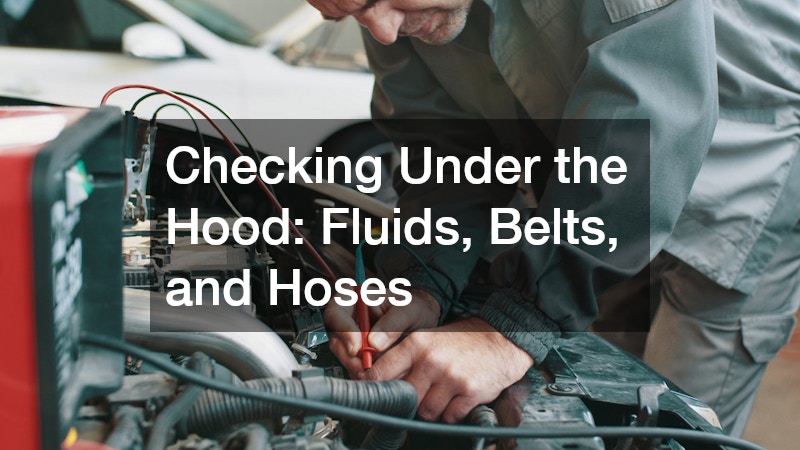
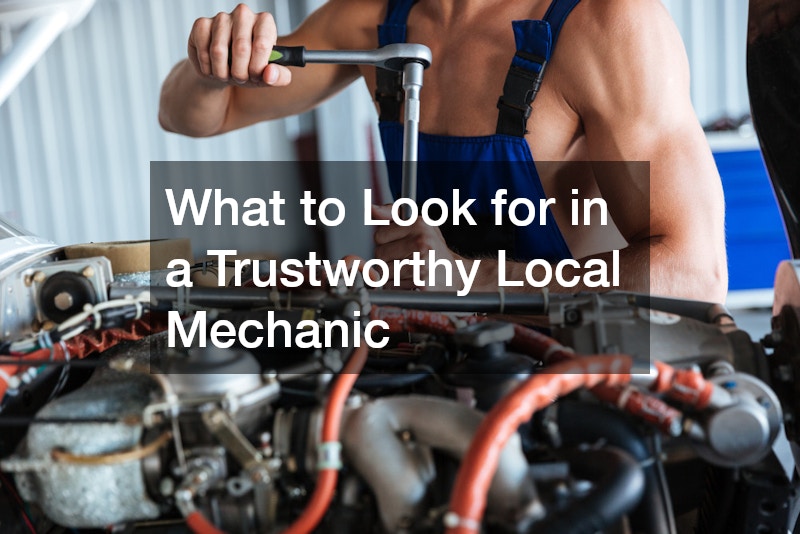
Your engine relies on a delicate balance of fluids, belts, and hoses to run smoothly. Before you set out on a long trip, you need to open the hood and perform a thorough visual inspection. Start by checking your engine oil. Pull out the dipstick, wipe it clean with a rag, insert it completely, and pull it out again. The oil level should be between the two marks on the stick. If the oil looks dark, black, or gritty, it is time for a change. Next, look at your coolant level in the clear overflow tank. Coolant keeps your engine from overheating, which is especially important during long summer drives. Do not forget to check your brake fluid, power steering fluid, and windshield wiper fluid.
- Check all rubber hoses by gently squeezing them; they should feel firm but pliable, not brittle, hard, or excessively soft.
- Look for tiny cracks or fraying along the edges of your engine belts, as a snapped belt will instantly disable your vehicle.
- Inspect the car battery for any white, powdery corrosion around the terminals and ensure the connections are tight.
If your battery is more than three to four years old, it is wise to have it tested at a local shop to ensure it can still hold a charge. If you notice any fluid leaks on your driveway or if you hear strange squealing noises when the engine runs, do not try to ignore them. For complex issues like a slipping transmission, a leaking radiator, or mysterious engine warning lights, you should schedule an inspection with professional auto repair shops. Taking the time to visit auto repair shops before your departure gives certified mechanics a chance to fix minor issues before they become catastrophic failures in the middle of nowhere.
Keeping Cool and Comfortable in the Cabin
A safe road trip isn’t just about making sure the engine runs; it is also about keeping the driver comfortable, alert, and free from distractions. Driving for hours in a hot, stuffy car cabin can cause fatigue, irritability, and a dangerous loss of focus. Before you leave, test your air conditioning system on a warm afternoon. Turn the fan on high and make sure the air becomes ice-cold within a minute or two. If the system takes too long to cool down or if it only blows lukewarm air, you are likely dealing with car AC problems. Ignoring car AC problems before a trip through hot regions can turn your vehicle into an oven, making the drive unbearable for children and pets.
- Turn on the AC at maximum capacity to check for strange odors, which usually point to mold or a clogged cabin air filter.
- Replace your cabin air filter if it hasn’t been changed in the past year to ensure clean air flow and reduce dust inside the car.
- Use a sunshade for the windshield when parked to keep the steering wheel and seats from becoming burning hot.
Another major factor in cabin comfort is sun glare. Straining your eyes against a bright sun for hours can cause severe headaches and lower your reaction times. Many drivers invest in professional car window tinting services to solve this issue. Utilizing car window tinting services helps block harmful ultraviolet rays, reduces blinding glare, and keeps the interior of your car significantly cooler by rejecting solar heat. This simple upgrade protects your car’s upholstery from cracking and makes the environment inside the cabin much more relaxing for everyone on board.
Upgrading Your Entertainment and Navigation Systems

Modern road trips rely heavily on technology to keep us on the correct path and entertained during long stretches of highway. A malfunctioning navigation system or a broken radio can make a trip feel twice as long and twice as stressful. Start your preparation by updating your built-in GPS maps or downloading offline maps on your smartphone. You cannot always rely on a strong cellular signal, especially when driving through rural areas, mountains, or deserts. Having offline maps ensures you will never lose your way, even if you lose your phone signal.
- Inspect all phone charging cables and USB ports to ensure they provide a steady charge to your devices.
- Invest in a sturdy, dashboard-mounted phone holder so you can view navigation instructions without taking your eyes off the road.
- Organize your playlists, podcasts, and audiobooks ahead of time so you do not fiddle with your phone while driving.
If your current audio system is outdated, static-filled, or lacks Bluetooth connectivity, consider upgrading your setup before you head out. Visiting a dedicated local radio store can open up a world of options for your vehicle. The experts at a radio store can help you install a modern touch-screen head unit that supports hands-free calling, voice-activated navigation, and smartphone integration. This keeps your hands on the wheel and your focus on the road, drastically improving your overall safety while allowing you to enjoy crystal-clear audio throughout your journey.
Inspecting Tires, Brakes, and Heavy-Duty Gear
Your tires are the only part of your vehicle that actually touches the road, making them one of the most critical safety components on your car. Driving on worn-out or underinflated tires increases your stopping distance and elevates the risk of a dangerous blowout. Use the penny test to check your tread depth by inserting a penny into the tread grooves with Abraham Lincoln’s head upside down. If you can see the top of his head, your tread is too worn, and you need new tires. Check the tire pressure on all four tires using a gauge when the tires are cold, and inflate them to the recommended PSI listed on the sticker inside the driver’s door jam.
- Look closely at the sidewalls of your tires for any strange bulges, cuts, or embedded nails.
- Check your spare tire to ensure it is fully inflated, and verify that your jack and lug wrench are in the trunk.
- Listen carefully to your brakes when driving; any squealing, grinding, or vibrations mean your brake pads need immediate replacement.
If your road trip involves hauling a trailer, a camper, or a heavy cargo rack, you need to pay extra attention to your towing equipment. Inspect the trailer hitch, safety chains, and electrical wiring connections to ensure the brake lights and turn signals on the trailer work perfectly. It is crucial to verify that all your towing accessories are rated for the specific weight you plan to pull. Using weak or worn-out towing accessories can cause a trailer to sway dangerously or detach entirely at high speeds, creating a massive hazard for you and everyone else on the highway.
Preventing and Handling Key Emergencies
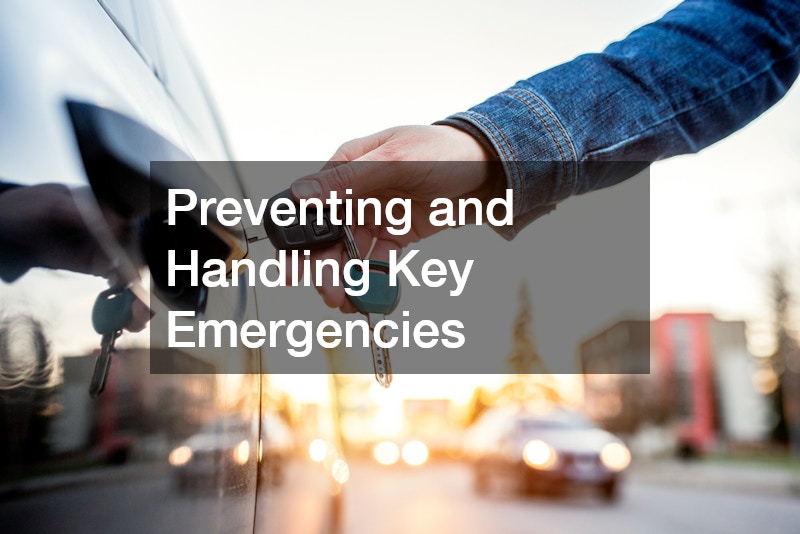
When preparing for a trip, it is easy to focus entirely on mechanical parts and completely forget about your car keys. Getting locked out of your vehicle is an incredibly frustrating experience that can disrupt your entire vacation schedule. This mistake often happens at busy rest stops, gas stations, or scenic overlooks when drivers are distracted or rushing. To prevent this, make it a strict rule to never leave your vehicle without holding the keys in your hand, even if you are just stepping out for a brief moment to take a photo or throw away trash.
- Carry a spare key with you, but do not hide it on the car’s exterior where it can fall off or be found by thieves.
- Give a duplicate key to a responsible passenger to keep in their pocket or purse during the trip.
- Double-check that your key fob battery is fresh so the remote unlocking functions work reliably from a distance.
If the worst happens and you experience a car lockout in an unfamiliar town, try to stay calm. Avoid trying to force the door open with wire hangers or tools, as this can easily rip the weather stripping, scratch the paint, or break the expensive power window mechanisms inside the door panel. Instead, look for a certified professional who specializes in resolving a car lockout quickly. Having a plan for this specific situation allows you to gain access to your vehicle safely and get back on the road without causing hundreds of dollars in damage to your vehicle’s locking system.
Building the Perfect Emergency Roadside Kit
Even with the best preparation, unexpected items on the road like sharp nails, scattered debris, or sudden mechanical glitches can bring your vehicle to a complete halt. That is why packing a well-stocked emergency kit is non-negotiable for any long-distance driver. Your emergency kit should be stored in an accessible part of your vehicle, not buried deep beneath heavy suitcases where you cannot reach it in a hurry.
- Pack standard safety items, including heavy-duty jumper cables, a bright flashlight with extra batteries, and a reflective safety vest.
- Include a well-stocked first-aid kit, a basic set of tools like screwdrivers and pliers, and a roll of duct tape.
- Store extra bottles of drinking water, non-perishable snacks, and warm blankets in case you have to wait for help in cold weather.
In addition to physical tools, you need a digital safety net. Before you leave your driveway, make sure you have a reliable roadside assistance plan active. Having roadside assistance gives you a specific number to call for help with flat tires, dead batteries, or minor mechanical issues. However, if you are traveling through remote areas or highly congested highways, it is smart to also research a local emergency towing company for each leg of your route. Knowing the contact details of a trusted emergency towing company ensures that if you suffer a severe breakdown that cannot be fixed on the side of the road, you can quickly get your car moved to a safe location.
Understanding Your Backup Plan if Your Car Breaks Down
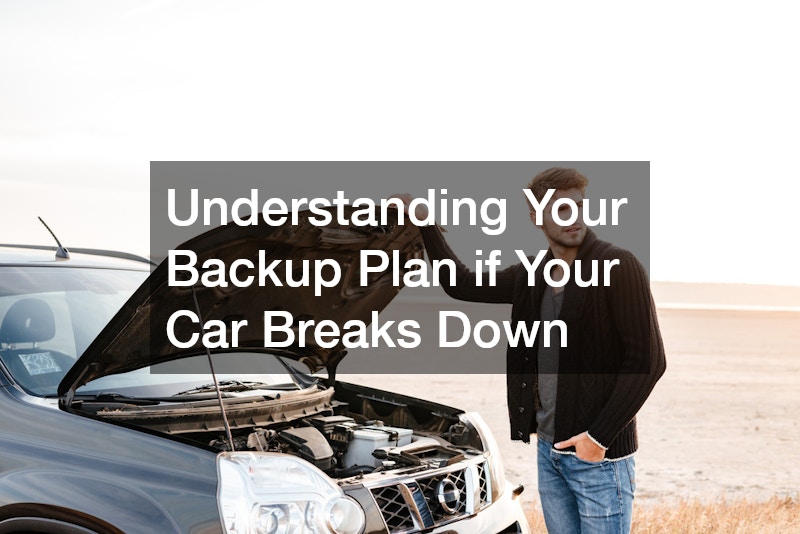
If your vehicle suffers a major failure while you are cruising down the highway, your immediate priority is safety. As soon as you feel the engine sputter, lose power, or notice a tire going flat, do not panic. Turn on your hazard lights immediately to warn the drivers behind you that your vehicle is experiencing trouble. Guide your car smoothly toward the right shoulder of the road, moving as far away from the active traffic lanes as possible. Turn the steering wheel away from the road and set the parking brake so your car does not accidentally roll into traffic.
- Stay inside your vehicle with your seatbelt fastened if you are stranded on a busy highway with narrow shoulders.
- Place reflective triangles or flares behind your vehicle if it is safe to do so, giving oncoming drivers plenty of advance warning.
- Keep your phone charged and avoid wasting battery on social media so you can stay in touch with recovery professionals.
Once you are safely parked on the shoulder, you will need to arrange for professional transport for your vehicle. Depending on the size of your vehicle and where you break down, you will need to look up reliable towing services in the immediate area. Calling reputable towing services ensures that a qualified operator will arrive with the proper equipment to handle your car without causing further damage. Knowing how to contact professional tow services ahead of time takes the guesswork out of an incredibly stressful moment. By keeping the numbers of trusted tow services handy, you can ensure that you, your passengers, and your disabled vehicle are transported safely to a repair shop or a nearby hotel without unnecessary delays.
Conclusion
Preparing your car for a long road trip might seem like a lot of extra work, but the peace of mind it provides is absolutely priceless. By taking the time to inspect your fluids, ensure your cabin is comfortable, check your tires, and prepare an emergency kit, you actively protect your vacation from unexpected disasters. A well-maintained vehicle is your ticket to a stress-free adventure where you can focus on making memories rather than worrying about strange engine noises.