
For many drivers, vehicle service still feels narrowly defined: oil changes, brake pads, engine diagnostics, repeat. That view made sense years ago, but it no longer reflects how the automotive service world actually works. Today’s vehicles are more complex, more integrated, and more connected to daily life than ever before. Software, electronics, safety systems, and comfort features now play just as large a role as traditional mechanical components. From advanced driver-assistance systems to infotainment controls and sophisticated climate management, nearly every aspect of a vehicle requires specialized knowledge.
Modern vehicle service is about keeping drivers safe, comfortable, mobile, and protected from costly surprises. It blends mechanical expertise with electrical work, interior care, fabrication, recovery services, and specialty equipment support. When drivers understand this expanded scope, they’re better equipped to recognize early warning signs and make informed decisions. This broader perspective also helps drivers choose service providers that deliver long-term value instead of one-off fixes.
As vehicles continue to evolve, service expectations evolve with them. Drivers who stay informed are more likely to avoid preventable breakdowns and unexpected expenses. Understanding what modern service truly includes sets the foundation for smarter ownership throughout a vehicle’s lifespan.
The Expanding Role of Full-Service Vehicle Care
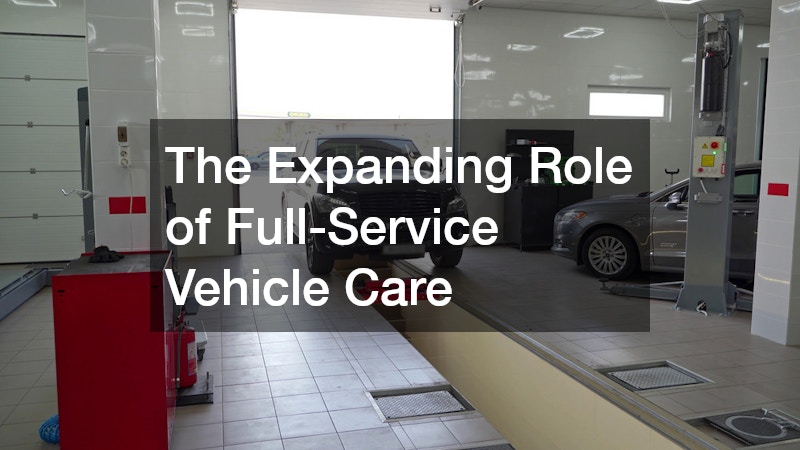
A modern service facility is no longer just a place to fix what’s broken. It functions as a coordinated hub where multiple systems—mechanical, electrical, structural, and comfort-related—are evaluated together. A well-equipped auto repair shop often handles diagnostics that connect engine performance with suspension wear, electrical loads, and even interior condition, giving technicians a fuller picture of vehicle health.
Instead of treating issues in isolation, technicians increasingly look at how systems affect one another. Electrical faults can influence drivetrain behavior, while fluid leaks may impact braking or steering performance. Addressing only the symptom often leads to repeated failures, which is why integrated diagnostics are now standard practice. This approach improves accuracy and reduces unnecessary part replacements.
Modern service also places greater emphasis on data and documentation. Technicians track trends over time, compare readings across systems, and identify early indicators of failure. For drivers, this means maintenance recommendations are based on evidence rather than guesswork.
Drivers benefit from this broader evaluation because fewer issues are missed during inspections, repair priorities are based on safety and long-term cost impact, and maintenance becomes proactive rather than reactive. Over time, this reduces breakdowns and helps vehicles retain performance as they age.
What Happens When Your Vehicle Can’t Move
Breakdowns rarely happen at convenient times, and uncertainty often makes the situation worse. When a vehicle becomes immobile, safe recovery is the immediate priority, not diagnosis or repair decisions. Coordinating with a local tow truck ensures the vehicle is transported properly and without creating additional damage during loading or transit.
Improper recovery methods can stress suspension components, damage driveline parts, or scrape body panels. Once the vehicle arrives at a service facility, technicians can inspect it in a controlled environment using proper equipment and diagnostic tools. This avoids guesswork and reduces the risk of misdiagnosis caused by roadside conditions.
Modern service centers often document vehicle condition upon arrival, which protects drivers from disputes and helps technicians establish a clear repair baseline. This step is especially important when a breakdown involves sudden failure or potential safety concerns.
Drivers can reduce complications by staying focused on safety, noting dashboard warnings or unusual sounds, and asking clear questions about where the vehicle will be taken and what happens next. Understanding the recovery process helps drivers remain calm and avoid rushed decisions that lead to unnecessary expenses.
Interior Maintenance That Affects Comfort and Resale
Interior condition plays a larger role in vehicle value than many drivers realize. Worn upholstery, stains, and persistent odors directly affect daily comfort and can significantly lower resale or trade-in offers. Interior care should be viewed as part of routine vehicle maintenance, especially for drivers who spend significant time behind the wheel.
Professional interior services go far beyond basic detailing. A local carpet cleaning service can remove deeply embedded dirt, moisture, and odors that standard vacuuming cannot address. This level of cleaning also helps prevent mold growth and material breakdown over time.
Interior neglect often compounds quietly. Spills seep beneath surfaces, moisture gets trapped, and odors become harder to remove the longer they linger. Addressing these issues early preserves materials and reduces the need for costly replacements later.
Maintaining the interior improves the driving experience, supports stronger resale value, and protects cabin materials from premature wear. For drivers planning to keep a vehicle long-term, consistent interior care is both a comfort upgrade and a financial safeguard.
Precision Parts That Keep Systems Sealed and Safe
Many critical vehicle systems depend on small components that must perform flawlessly under pressure and heat. Seals, connectors, and joints are designed with tight tolerances to prevent leaks and contamination. When these parts degrade or are improperly installed, the resulting damage often spreads to surrounding systems, causing expensive repairs and potential safety hazards.
Correctly installed flange fittings play a crucial role in maintaining system integrity, particularly where fluids or gases are involved. Even minor misalignment can lead to gradual leaks that worsen over time. Skilled technicians account for vibration, temperature cycling, and material compatibility when installing these components to ensure lasting performance.
Failure in these areas is rarely sudden. Small leaks often go unnoticed until performance drops or warning lights appear, which can lead to more extensive damage. Regular inspection helps catch these issues early, before they compromise larger systems and result in costly downtime.
Paying attention to these details reduces repeat failures and protects larger systems from unnecessary strain. Precision at this level is a key indicator of high-quality repair work and reflects a commitment to vehicle safety and longevity.
Tools That Enable Accurate, Efficient Repairs
Modern vehicles require far more than basic hand tools to service correctly. Advanced electronics, compact engine bays, and sensitive components demand specialized equipment. The tools a shop uses directly influence the accuracy, safety, and durability of the work performed.
Professional-grade Greenlee tools are often used for electrical routing, conduit shaping, and precision cutting. These tools allow technicians to work efficiently without damaging nearby components or wiring. Precision tools also reduce installation time and improve consistency across repairs.
Tool quality also affects technician fatigue and error rates. Equipment designed for precision reduces strain and supports consistent results, even during complex or time-sensitive repairs.
When a shop invests in professional equipment, it usually reflects a commitment to quality and efficiency. For drivers, that investment translates into fewer errors, cleaner repairs, and better long-term reliability.
Supporting Specialized Vehicles and Off-Road Equipment
Many drivers depend on more than standard passenger vehicles to meet their lifestyle or work needs. Recreational and utility vehicles require different service approaches due to unique drivetrains, loads, and usage patterns. Servicing these vehicles demands specialized knowledge and experience.
Some facilities handle installations such as local ATV clutch kits, which must be matched carefully to riding conditions and performance expectations. Improper calibration can reduce efficiency or shorten component lifespan. Testing and adjustment are essential parts of the process.
Specialty vehicles often experience harsher operating conditions than standard cars. Heat, dust, and heavy loads place additional stress on components, making correct service even more critical.
Drivers benefit when one service provider understands both conventional vehicles and specialty equipment. This continuity simplifies maintenance planning and ensures consistent service standards across all vehicles they own.
Power Systems Beyond the Engine Block
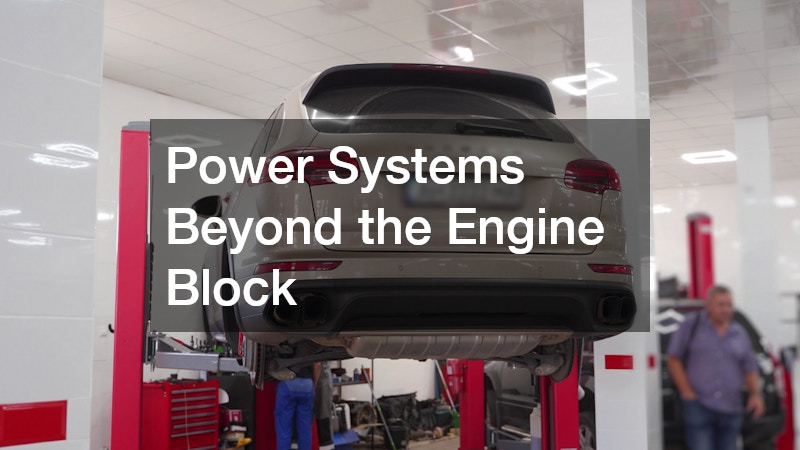
Certain vehicles rely on power systems that operate independently of traditional engine mechanics. Hydraulic systems are common in utility, commercial, and specialty applications and require targeted maintenance. These systems behave differently from mechanical drivetrains and demand specialized expertise.
A professional hydraulic power service focuses on pressure stability, fluid condition, and proper component alignment. Even minor contamination or small leaks can cause performance loss or safety issues if ignored. Routine inspection prevents unexpected failures under load.
Hydraulic issues often present gradually, with slower response times or inconsistent performance. Recognizing these signs early allows for controlled repairs instead of emergency shutdowns.
Drivers using hydraulic systems should watch for sluggish response, unusual noises, or visible fluid residue. Timely service keeps these systems reliable and prevents costly downtime.
Cleanliness Standards That Protect Components
Cleanliness plays a direct role in vehicle safety and performance, particularly in the engine compartment. Accumulated grease and debris trap heat, conceal leaks, and increase fire risk. Over time, contaminants degrade wiring insulation, hoses, and seals.
A professional hood cleaning service removes buildup safely without damaging sensitive components. This improves airflow, enhances cooling efficiency, and makes inspections more accurate. Technicians can identify developing issues earlier when surfaces are clean.
Clean engine compartments also make routine maintenance more effective. Oil changes, inspections, and diagnostics are easier and more precise when components are visible.
Regular under-hood cleaning supports safer operation, extends component lifespan, and simplifies future maintenance. Clean systems are easier to monitor and less likely to fail unexpectedly.
Vehicle Modifications for Safety and Durability
How to Choose the Right Shop for Comprehensive Care

With the expanding range of services available, selecting the right provider requires more than comparing prices. Drivers should assess how a shop communicates, documents findings, and approaches long-term vehicle health. Transparency is often a strong indicator of service quality, especially when technicians explain not just what needs attention, but why it matters and what can wait. Clear documentation, photos, and written estimates help drivers feel confident they’re making informed decisions rather than pressured ones.
Asking informed questions helps drivers understand inspection processes, repair priorities, and whether related issues are addressed in-house or coordinated externally. Clear explanations signal accountability and professionalism, particularly when a shop is willing to walk through potential risks, alternatives, and cost implications. Shops that educate customers tend to focus on lasting solutions instead of short-term fixes, which ultimately saves time and money.
Consistency also matters more than many drivers realize. A shop that tracks service history, notes recurring patterns, and understands a vehicle’s past issues is better positioned to prevent future problems. This historical context allows technicians to spot early warning signs that might be missed during one-off visits.
Choosing a provider with a comprehensive approach reduces surprises and builds trust over time. That relationship becomes increasingly valuable as vehicles age, technology evolves, and systems become more interconnected, making informed, ongoing care essential rather than optional.
Vehicle service today extends far beyond engine repair alone. Drivers rely on professionals to manage safety systems, interior condition, specialty equipment, and protective upgrades that directly affect how a vehicle performs and how long it lasts. Understanding this expanded scope allows drivers to make informed, proactive maintenance decisions instead of reacting to breakdowns after they occur. When drivers recognize how interconnected vehicle systems are, they can better evaluate recommendations and prioritize service that protects both safety and value.
When vehicle care is approached comprehensively, reliability improves and long-term costs decrease. Preventive maintenance reduces the likelihood of sudden failures, minimizes repeat repairs, and helps components reach their full lifespan. Drivers also gain confidence knowing their vehicles are being evaluated as complete systems rather than isolated parts. This confidence translates into safer driving, fewer surprises, and a more predictable ownership experience. Modern service isn’t just about fixing problems—it’s about preventing them, preserving performance, and helping drivers stay in control of their vehicles over the long run.