Every vehicle owner eventually faces a profound moment of hesitation when turning the key in the ignition. For years, your vehicle has been a reliable companion, navigating daily commutes, spontaneous road trips, and inclement weather. However, mechanical wear is an inevitable reality of automotive ownership. When a vehicle begins to experience frequent breakdowns or major component failures, it forces you to weigh sentimental and practical value against hard financial realities. Deciding whether to invest thousands of dollars into reviving an aging automobile or finally walking away requires a structured, clear-eyed evaluation.
Evaluating the Core Power Unit
Checking Internal Health via Compression Tests
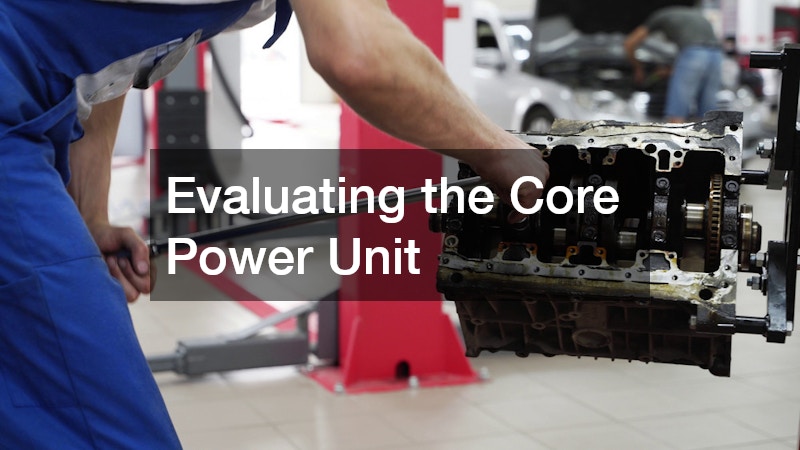
Before making any financial commitments, you must establish whether the engine has the structural integrity to justify further investment. A compression test is the most definitive way to evaluate the internal health of the cylinders without completely tearing the motor apart. By removing the spark plugs and inserting a pressure gauge, you can verify if the piston rings, valves, and head gaskets are still sealing effectively.
-
Low compression across all cylinders usually indicates widespread mechanical wear, suggesting the engine is nearing the end of its operational lifespan.
-
A dramatic drop in pressure in just one cylinder often points to a burned valve or a broken piston ring, which demands a targeted, costly tear-down.
-
Zero compression in two adjacent cylinders strongly indicates a blown head gasket, a repair that requires precise machining to prevent future warping.
Analyzing Fluid Quality and Internal Contamination
Engine oil and coolant serve as the lifeblood of the internal combustion engine, and inspecting them provides a clear window into internal health. When you pull the dipstick or peer into the radiator neck, you are looking for signs of chemical cross-contamination.
-
A milky, light-brown sludge beneath the oil cap or on the dipstick indicates that coolant is mixing with the engine oil, typically caused by a cracked block or a failed gasket.
-
Dark, gritty engine oil that smells intensely burnt suggests severe overheating has occurred, which can permanently warp internal metal components.
-
Bright oily bubbles or a strong exhaust smell inside the cooling reservoir points to combustion gases leaking into the cooling jackets, a fault that will cause rapid overheating under load.
Assessing Structural Integrity and Alignment
Checking Lower Support Elements for Severe Rust
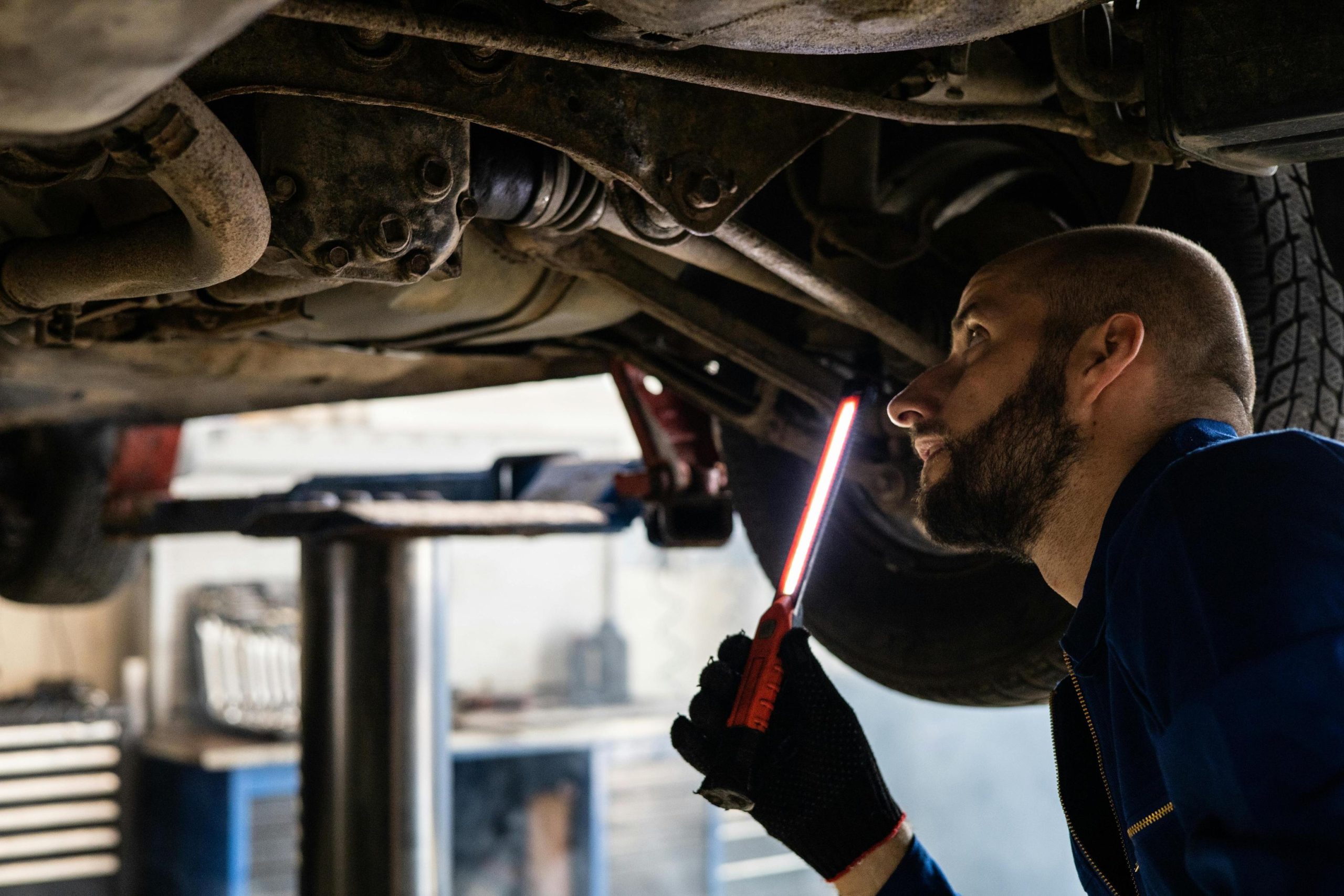
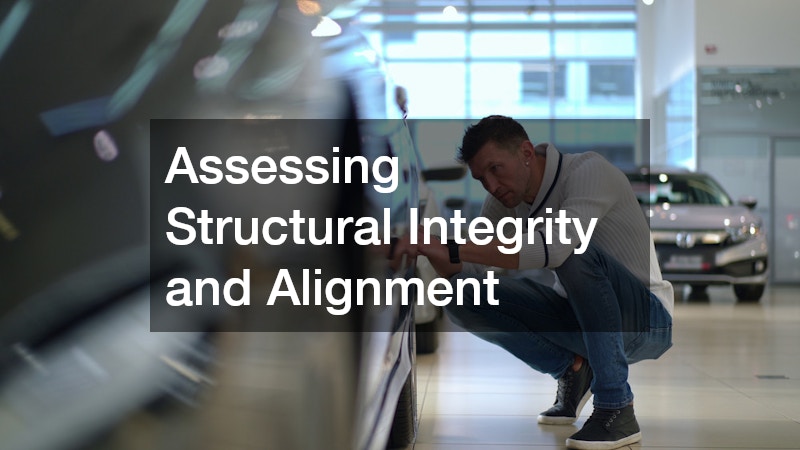
A vehicle can survive a failed motor or a ruined transmission, but it cannot survive structural degradation that compromises its safety cage. Rust is the silent killer of older vehicles, particularly in regions that utilize road salt during winter months. You must get underneath the vehicle with a bright flashlight and a metal pick to inspect the frame rails or the unibody structure.
-
Surface rust can be ground down and treated, but deep scaling that flakes off in large chunks indicates advanced structural rot.
-
Pay close attention to the mounting points where the subframe connects to the main body, as structural failure here can cause the suspension to separate while driving.
-
If you can pierce the metal frame with a screwdriver or a small pick, the vehicle has lost its structural integrity and is no longer capable of protecting occupants in a collision.
Inspecting the Condition of Control Arms and Bushings
The components responsible for keeping your tires planted firmly on the asphalt degrade continuously over time due to friction and road impacts. When assessing an older vehicle for revival, you need to inspect the front and rear linkages, ball joints, and springs. If the vehicle sways violently over bumps or makes loud clunking noises during turns, you are likely facing an extensive auto suspension repair bill.
-
Check the rubber bushings housed within the control arms for severe cracking, dry rot, or total separation from their metal sleeves.
-
Inspect the coil springs for fractures and look closely at the shock absorbers or struts for oily residue that signals internal seal failure.
-
Worn ball joints create a massive safety hazard, as excessive play can cause the wheel assembly to detach entirely at highway speeds.
Analyzing the Exterior Shell and Restoring Visibility
Prioritizing Glass Integrity for Road Legality
Driving with compromised glass is a significant safety hazard that alters the structural strength of the vehicle’s roof cabin during a rollover accident. Small stone chips can rapidly expand into sprawling webs when exposed to extreme temperature fluctuations or structural flexing. When a crack encroaches directly into the driver’s line of sight, localized repairs are no longer a viable option.
-
Standard chip repairs are generally ineffective if the damage is larger than a small coin or if the crack extends to the very outer edge of the glass panel.
-
Seeking out professional windshield replacement services ensures the camera systems used for modern driver assistance features are calibrated accurately.
-
Replacing a severely pitted or deeply scratched front glass panel dramatically reduces night-time glare and improves overall driving comfort during heavy downpours.
Mitigating Corrosion on Outer Body Panels
Cosmetic issues can quickly transform into structural nightmares if left unaddressed. While faded clear coats or minor door dings are purely aesthetic, bubbling paint indicates that moisture has trapped itself between the metal panel and the exterior finish. You must evaluate whether the rust is coming from the outside in or rusting through from the back of the panel.
-
Inspect the lower door edges, rocker panels, and wheel arches carefully, as these areas constantly endure impacts from road debris and moisture.
-
Small areas of localized surface rust can be sanded down, primed, and resprayed at home to halt the spread of oxidation before it ruins the panel.
-
If the metal has completely rusted through to form holes, the affected panel must be cut out and replaced with fresh steel to restore the vehicle’s appearance.
Calculating Professional Reconditioning Expenses
Restoring a vehicle to its original aesthetic glory requires specialized equipment and controlled environments that are difficult to replicate in a home garage. If you decide that the mechanical components are worth saving, you must get realistic estimates for restoring the exterior shell. Visiting specialized auto paint shops will give you a clear understanding of the financial commitment required to fix peeling clear coats or deep scratches.
-
A complete professional respray often costs more than the residual market value of an older car, making partial panel blending a more sensible choice.
-
Factory paint matches require looking up the specific paint code on the vehicle door jamb to ensure the new finish matches the aged panels.
-
Proper surface preparation involves hours of block sanding, dent pulling, and primer applications, which account for the majority of professional labor costs.
Addressing Aesthetic and Protective Upgrades
Enhancing Cabin Comfort and Preserving Material Life
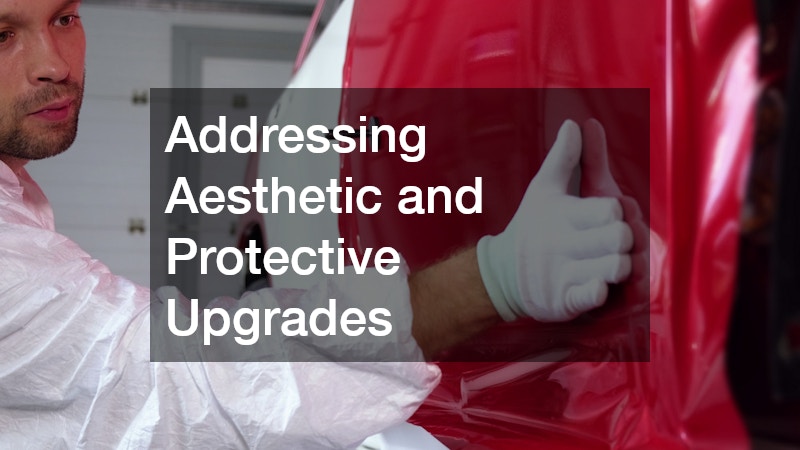
Once the exterior shell is secure, protecting the interior environment becomes essential for making the vehicle livable again. Ultraviolet radiation from the sun is incredibly destructive, capable of cracking dashboard vinyl, splitting leather seating, and fading carpets over just a few summers. Adding a protective layer to the glass can halt this degradation and make the cabin far more comfortable during hot summer months.
-
Applying high-quality window films blocks a significant percentage of solar heat, reducing the load on an aging air conditioning system.
-
Utilizing specialized auto tinting options can also keep the interior hidden from prying eyes, increasing the security of items left inside the cabin.
-
Ensure that the film selected complies with local visible light transmission laws to avoid costly citations and failed vehicle inspections.
Upgrading Functional Interior Features
Reviving a vehicle does not mean you have to live with outdated technology or worn-out touchpoints. Upgrading the minor components inside the cabin can dramatically alter your daily driving experience and make an old vehicle feel modern. By selecting the right aftermarket car accessories, you can introduce modern conveniences without taking on a new car payment.
-
Installing a modern Bluetooth-enabled head unit introduces hands-free calling, digital navigation, and clear audio streaming to an older dashboard layout.
-
Replacing worn rubber pedal covers, frayed floor mats, and a degraded steering wheel wrap removes the tactile reminders of the vehicle’s advanced age.
-
Adding a dedicated dashcam provides invaluable video evidence during unexpected traffic incidents, protecting your financial investment on the road.
Managing Logistics and Professional Assistance
Planning Safe Vehicle Transport During Breakdown Scenarios
When a vehicle has sat dormant for months or suffered a catastrophic mechanical failure, attempting to drive it to a repair facility is highly dangerous. Flat-spotted tires, seized brake calipers, and degraded fluids can cause immediate secondary damage or a total loss of control. Arranging proper transport is the first critical step in a professional evaluation process.
-
Utilizing professional towing ensures the vehicle is lifted completely off the ground on a flatbed, preventing driveline damage to all-wheel-drive systems.
-
Inform the operator if the vehicle has seized wheels or an electronic parking brake that cannot be disengaged so they can bring the correct equipment.
-
Secure all loose body panels and clear out personal items from the cabin before the vehicle is hooked up and transported down the highway.
Selecting a Trustworthy Mechanical Professional
Unless you possess advanced diagnostic tools and a hydraulic lift, you will need a professional to verify your diagnoses and handle complex internal repairs. Establishing a transparent relationship with a certified technician is crucial for avoiding unnecessary part-swapping and escalating repair bills.
-
Look for a certified auto mechanic who possesses specific experience with your vehicle’s make and model, as they will be familiar with common model-specific failures.
-
Request a comprehensive, written vehicle health inspection report that categorizes needed repairs into immediate safety issues and optional future maintenance.
-
A quality technician will willingly show you the worn or broken components they removed from the vehicle to justify the labor and parts costs.
Navigating Financial and Regulatory Realities
Evaluating Overall Claims and Value Realities
The relationship you maintain with financial institutions and coverage providers plays a massive role in determining whether a vehicle is worth saving. If the vehicle was involved in an incident that caused significant cosmetic or structural damage, you must understand how your policy handles repair thresholds. Speaking clearly with your auto insurance agency will reveal whether the vehicle is legally considered a viable repair project or a total financial loss.
-
Coverage providers typically declare a vehicle a total loss if the estimated cost of repairs exceeds 70% to 80% of its actual cash value.
-
If you choose to keep a totaled vehicle, it will receive a branded or salvage title, which drastically lowers its future resale value and complicates future coverage.
-
Always calculate how much your monthly premium might increase if you file a major claim versus paying for the structural or mechanical repairs out of pocket.
Executing the Final Exit Strategy Professionally
There comes a point where the math simply does not add up, and letting go is the only logical choice. When the cost of resolving engine failures, structural rust, and body damage exceeds the market value of the vehicle in perfect condition, it is time to exit ownership. Disposing of the vehicle responsibly can still yield some financial return while clearing out your garage or driveway.
-
Engaging reputable auto salvage services allows you to quickly monetize a non-running vehicle based on its raw material weight and remaining usable parts.
-
Ensure you obtain an official receipt of destruction or a proper transfer of title to release yourself from any future legal or parking liabilities.
-
Remove any high-value aftermarket components or brand-new tires you recently installed before the vehicle is taken away to be crushed and recycled.
Reviewing a Final Diagnostic Checklist
To remove all emotion from the final decision, run through this definitive operational checklist. If your vehicle ticks more than two of the negative indicators listed below, the most rational move is to stop spending money and arrange for disposal.
-
Structural Integrity: Frame rails show heavy scaling, structural soft spots, or cracks near major suspension mounts.
-
Engine Health: Cylinders display uneven or low compression, or there is evidence of an internal block crack or oil contamination.
-
Transmission Function: The transmission slips gears, delays engagement when hot, or contains heavy metal debris in the fluid pan.
-
Body Condition: Extensive impact damage requires specialized alignment pulling and major panel replacement at a professional auto body facility.
-
Accumulated Costs: The total written estimate for immediate safety and operational repairs is greater than the total market value of the vehicle.
Making the final call between reviving your vehicle or giving up ultimately comes down to a balance of safety, utility, and mathematical sense. If the chassis is straight, free of severe rust, and the required repairs are localized to bolt-on components, rebuilding can be a brilliant financial move. It honors the engineering of the vehicle, keeps waste out of landfills, and preserves a machine you already know inside and out.