Most drivers assume their car’s resale value hinges on mileage and accident history, but the truth is far less dramatic. It’s the small, everyday habits, skipped once, ignored twice, forgotten forever, that quietly chip away at what your car is worth. A stained seat, a cracked windshield left untreated, or a delayed oil change can cost you hundreds or even thousands at trade-in time. This guide breaks down the overlooked habits that erode value and shows you exactly how to protect your investment before it’s too late.
Letting Interior Stains and Odors Build Up Over Time

The inside of your car tells a buyer or appraiser more than you think, and stains, odors, and worn upholstery are some of the fastest ways to tank perceived value. Spilled coffee, pet hair, and fast food wrappers left to linger create permanent damage that’s far harder to reverse than exterior wear. Many owners wait until they’re ready to sell before addressing months or years of neglect, but by then the damage is often baked into the fabric and padding.
Regular professional cleaning makes a measurable difference in resale numbers. Booking with one of the best car detailers in your area every few months keeps upholstery, carpets, and trim looking close to factory condition, which directly translates into a stronger appraisal or private sale price.
- Vacuum and wipe down surfaces weekly to prevent ground-in dirt
- Treat spills immediately rather than letting them dry
- Use interior protectant on leather and vinyl to prevent cracking
- Schedule a deep clean before any major trip or before listing the car for sale
Skipping Paint Protection in Harsh Weather Conditions
Sun exposure, road salt, bird droppings, and tree sap are constant threats to your car’s finish, and many owners simply don’t think about protecting the paint until swirls, fading, or etching are already visible. Once UV damage sets into clear coat, it’s extremely difficult and expensive to reverse. This is one of the most common ways a car’s exterior ages faster than its actual mileage would suggest.
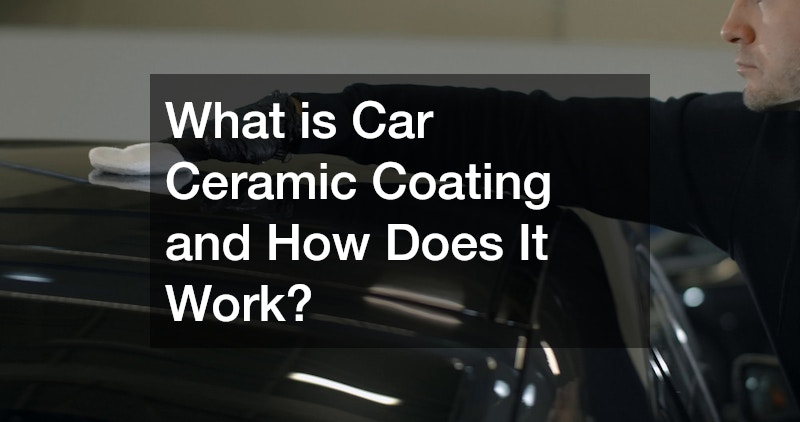
Investing in local paint protection films is one of the most effective ways to preserve that showroom shine for years. These films act as an invisible barrier against rock chips, minor scratches, and environmental staining, keeping the factory paint underneath in excellent shape for whenever you decide to sell.
- Park in shade or a garage whenever possible to limit UV exposure
- Wash off bird droppings and sap within 24 to 48 hours
- Wax or seal painted surfaces every three to four months
- Consider protective film on high-impact areas like the hood and bumper
Ignoring Small Windshield Chips and Glass Damage
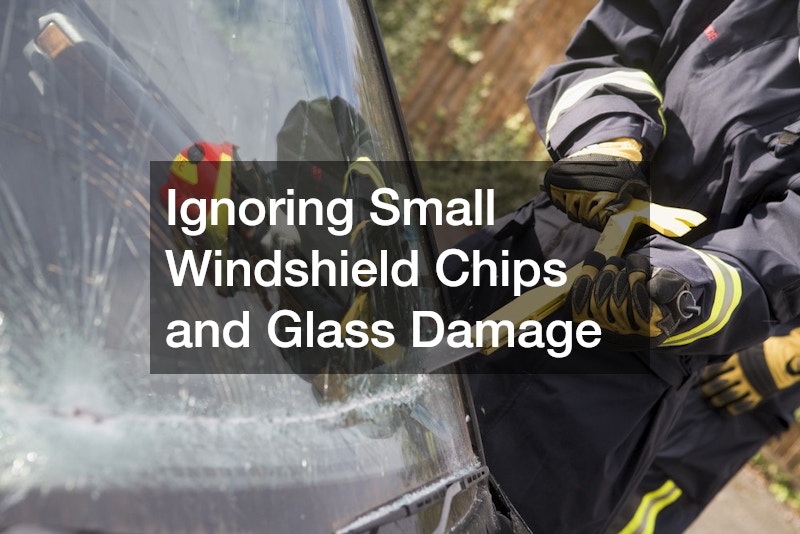
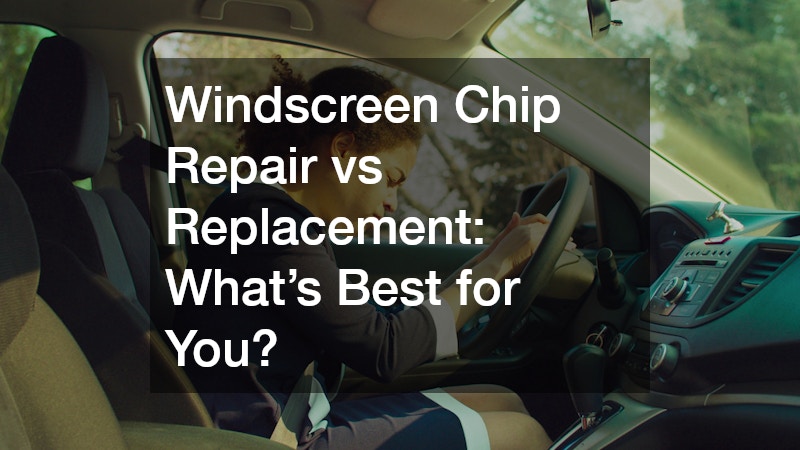
A small rock chip might seem harmless, but ignored glass damage almost always spreads into a larger crack that requires full windshield replacement. Temperature swings, potholes, and even slamming a door can turn a tiny chip into a windshield-wide problem within days. Buyers and inspectors both notice glass damage immediately, and it’s one of the first things that gets flagged during a pre-purchase inspection.
Beyond cracks, faded or peeling window tint is another detail that quietly signals neglect. Refreshing car window tinting not only restores a clean, uniform appearance but also protects interior surfaces from sun damage, which supports the overall condition score a car receives at resale.
- Repair small chips within days before they spread
- Avoid extreme temperature changes on damaged glass, like blasting hot defrost on a cracked windshield
- Replace bubbling or discolored tint rather than leaving it in place
- Check window seals for leaks that can damage interior trim
Delaying Repairs After Minor Fender Benders
A minor parking lot scrape or fender bender feels easy to ignore, especially if the car still drives fine, but unresolved body damage compounds over time. Rust can creep into exposed metal, and misaligned panels can lead to water leaks or wind noise that get progressively worse. Buyers are also far more cautious about cars with visible dents or mismatched panels, even if the damage is purely cosmetic.
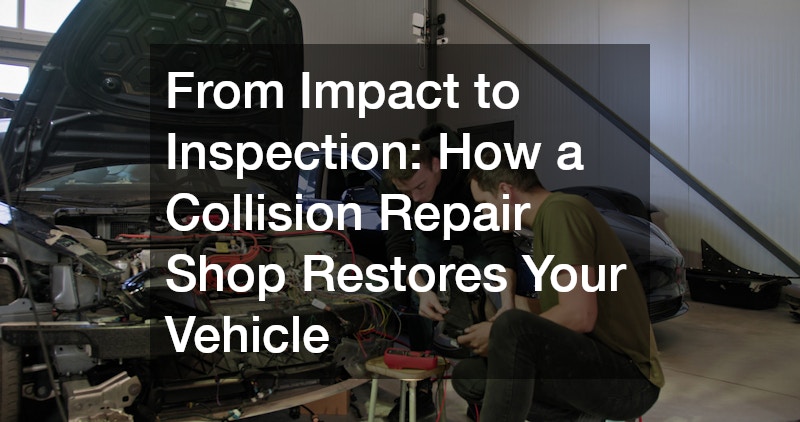
Getting timely car collision repair after any impact, no matter how small, keeps structural integrity intact and prevents cosmetic issues from spreading. Prompt attention also creates a clean paper trail, which reassures future buyers that damage was addressed properly rather than papered over.
- Document all repairs with receipts and before and after photos
- Address rust spots immediately, even if they seem minor
- Don’t assume a working car means a structurally sound car
- Get a professional estimate before deciding to skip a repair
Putting Off Auto Paint Touch-Ups on Scratches and Chips
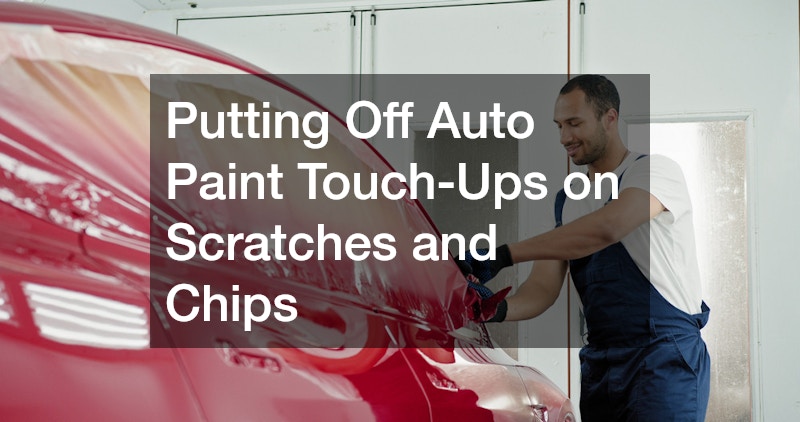
Small scratches and stone chips are easy to overlook because they don’t affect how the car drives, but they age a vehicle visually faster than almost anything else. Once bare metal is exposed, rust can form within weeks, especially in humid or coastal climates. What starts as a two-inch scratch can become a rust bubble that requires far more extensive work down the road.
Scheduling auto paint repair as soon as chips or scratches appear is a small investment that pays off significantly at resale. A car with a clean, consistent finish photographs better, shows better in person, and avoids the “well-used” impression that scattered touch-up spots create.
- Inspect the exterior monthly for new chips or scratches
- Use touch-up paint matched to your exact factory color code
- Have deeper scratches professionally blended rather than DIY patched
- Watch door edges and rocker panels, common spots for hidden damage
Overlooking Brake Wear and Unusual Stopping Noises
Squealing, grinding, or a soft brake pedal are warning signs that many drivers get used to and simply tune out. Continuing to drive on worn brake pads can damage rotors, calipers, and even the brake lines, turning a simple fix into a much costlier repair. Beyond the safety risk, a car with poor braking performance will fail inspection in many states and immediately lower a buyer’s confidence.
Scheduling brake repair at the first sign of unusual noise or reduced stopping power protects both your safety and your car’s resale readiness. Mechanics can often resurface rotors rather than replace them if pads are addressed early enough, saving money while keeping the braking system in top shape.
- Have brakes inspected every 12,000 miles or per manufacturer guidance
- Note any pulling, vibration, or grinding during braking
- Replace pads before they wear down to metal contact
- Keep records of brake service for future buyers
Neglecting Wheel Alignment After Curb Hits and Potholes
Hitting a curb or driving through a rough pothole might seem like a minor annoyance, but it can throw off your car’s alignment in ways that aren’t always obvious right away. Uneven tire wear, pulling to one side, or a steering wheel that sits off-center slightly are all signs of a deeper issue. Left unaddressed, poor alignment accelerates tire wear and puts extra strain on suspension components.
Visiting a car alignment shop after any significant impact keeps tires wearing evenly and preserves ride quality, which matters a great deal to anyone test-driving the car before purchase. Replacing prematurely worn tires due to alignment issues is far more expensive than a routine alignment check.
- Watch for uneven tread wear across the tire surface
- Get an alignment check after hitting a significant pothole or curb
- Notice if the steering wheel vibrates or pulls at highway speed
- Rotate tires regularly to catch wear patterns early
Postponing Routine Fluid Checks and Oil Changes
Engine oil, coolant, transmission fluid, and brake fluid all break down over time, and pushing past recommended service intervals puts serious strain on internal components. Many owners don’t realize how much a spotty maintenance history affects resale value until a used car inspector or dealer points it out. A well-documented service record is one of the strongest tools you have when negotiating a sale price.
Staying current with basic auto repair and fluid services is one of the simplest, most cost-effective ways to protect long-term value. Regular maintenance not only prevents expensive breakdowns but also builds a paper trail that proves the car was cared for consistently.
- Follow the manufacturer’s recommended service schedule closely
- Keep all receipts and service records organized in one place
- Don’t skip fluid changes just because the car “seems fine”
- Address dashboard warning lights promptly rather than ignoring them
Running the Air Conditioning System Without Maintenance
A weak or broken air conditioning system is a bigger red flag to buyers than most owners realize, especially in warmer climates where a functioning AC is considered essential. Refrigerant leaks, failing compressors, and clogged cabin filters often start small, with slightly weaker airflow, before turning into a full system failure. Ignoring these early signs typically leads to a much larger repair bill later.
Scheduling car AC repair at the first sign of reduced cooling or strange smells keeps the system running efficiently and avoids scaring off potential buyers during a test drive. A cold, quiet, properly functioning AC system is a small detail that reassures buyers the car has been well maintained overall.
- Run the AC system regularly, even in cooler months, to keep seals lubricated
- Replace the cabin air filter on schedule to maintain airflow
- Listen for unusual clicking or rattling when the AC compressor engages
- Address refrigerant leaks immediately rather than just adding more refrigerant
Choosing Improper Transport Methods for Long Distance Moves

When a car needs to be moved long distances, whether for a move, an auction, or a sale, many owners default to driving it themselves or hiring the cheapest transport option available. Adding 1,000 or 2,000 miles to the odometer right before a sale can noticeably shrink its resale value, since buyers and dealers often use mileage brackets to set price cutoffs. Driving it yourself also exposes the car to unpredictable weather, road debris, and mechanical issues far from home, turning a minor repair into an expensive roadside emergency.
Cut-rate transport services often use open carriers, which leave vehicles exposed to rock chips, road salt, hail, and grime for hundreds of miles. Enclosed transport costs more, typically 30-40% more than open carriers, but it protects paint, glass, and trim on classic cars, luxury vehicles, or anything being sold at a premium. Skipping this protection to save a few hundred dollars can end up costing far more in paint correction or detailing fees later.
Improper loading or securing during transport is another overlooked risk. Cars strapped incorrectly can shift during transit, causing scuffed wheels, bent suspension components, or cracked bumpers from contact with other vehicles on the trailer. Even small issues like a poorly placed wheel strap can leave marks on alloy rims that are expensive to refinish.
Before hiring any transport company, owners should check for proper insurance coverage, read reviews specifically about damage claims, and get a written condition report before and after the move. A cheap quote that doesn’t include adequate insurance can leave owners paying out of pocket for damage that occurs in transit, undermining the very value they were trying to protect.
Driving your car hundreds or thousands of miles for a move might seem cheaper upfront, but it racks up mileage, exposes the vehicle to unpredictable weather, and adds wear on tires, brakes, and the engine that a buyer or appraiser will notice later. Arranging professional car towing or transport services instead protects the vehicle from this added wear and gives you peace of mind that it will arrive in the same condition it left.
This is especially important for classic cars, low-mileage vehicles, or any car being delivered directly to a buyer or dealer, where every extra mile or scuff can directly translate into a lower offer. Enclosed auto transport is worth the added cost for higher-value vehicles, since it shields the car from road debris, gravel chips, and sun damage that open-air carriers can’t prevent.
When comparing services, ask about insurance coverage limits, estimated transit times, and whether the carrier offers door-to-door delivery versus terminal drop-off. Getting a written condition report before and after transport also gives you documentation to resolve any disputes over new dings or scratches. The relatively small cost of professional transport is easy to justify once you consider how much resale value can be lost to a few thousand unnecessary miles or a chipped windshield.
- Choose enclosed transport for higher value or classic vehicles, since open carriers expose them to road debris, weather, and UV damage that can degrade paint and interior finishes
- Verify insurance coverage before handing off your car for transport, and ask for the certificate of insurance directly rather than taking a broker’s word for it
- Confirm whether coverage is “full value” or “depreciated value,” since the latter may leave you underpaid after a claim
- Avoid adding unnecessary mileage by driving long distances yourself, which accelerates wear on tires, brakes, and the engine while lowering resale appeal
- Get quotes from at least three carriers and check reviews on the Federal Motor Carrier Safety Administration (FMCSA) site to avoid unlicensed operators
- Inspect the vehicle immediately upon delivery for any new damage, using the original bill of lading photos as a side-by-side comparison
- Document any discrepancies with timestamped photos and note them on the delivery paperwork before signing off
Protecting your car’s value isn’t about one big decision; it’s about consistently avoiding the small habits that quietly erode it over months and years. From interior care to brake maintenance to proper transport, every detail contributes to how your car is perceived when it’s time to sell or trade it in. Start by addressing whichever neglected habit feels most familiar to you, then build a simple maintenance routine you can stick with. Your future self, and your resale value, will thank you.