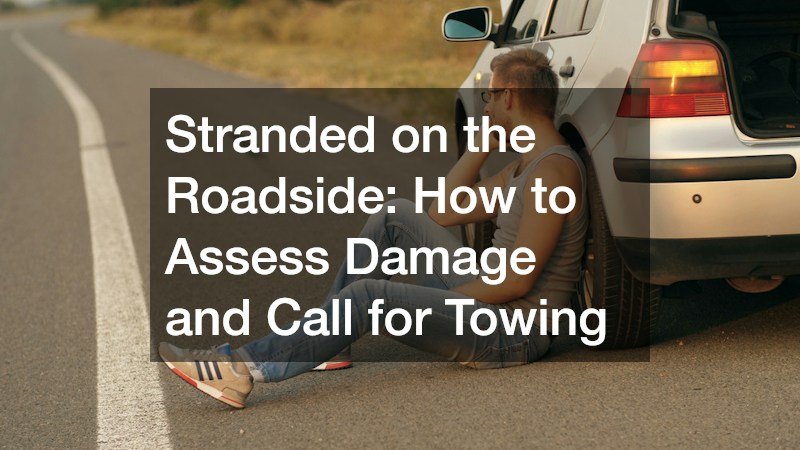
The sudden, jarring realization that your vehicle has lost power, suffered a tire blowout, or begun emitting smoke from beneath the hood is one of the most stressful experiences a driver can face. Whether you are navigating a bustling metropolitan highway during rush hour or traveling along a remote rural route at night, a vehicle failure instantly shifts your role from driver to roadside manager. In these critical moments, adrenaline can easily cloud judgment, leading to hasty decisions that compromise personal safety, exacerbate mechanical damage, or result in long delays for assistance.
Managing a roadside breakdown effectively requires a deliberate, step-by-step approach. The primary objective immediately following a vehicle failure is securing the safety of all occupants and establishing a visible perimeter to warn oncoming traffic. Once safety is assured, performing a calm, methodical assessment of the vehicle’s condition allows you to communicate precise diagnostic details to dispatchers and service technicians. By understanding how to evaluate mechanical issues, convey your location accurately, and select the correct transportation and repair resources, you can transform an unpredictable emergency into a structured, manageable recovery process.
1. Immediate Safety Protocols: Securing Your Vehicle on the Roadside
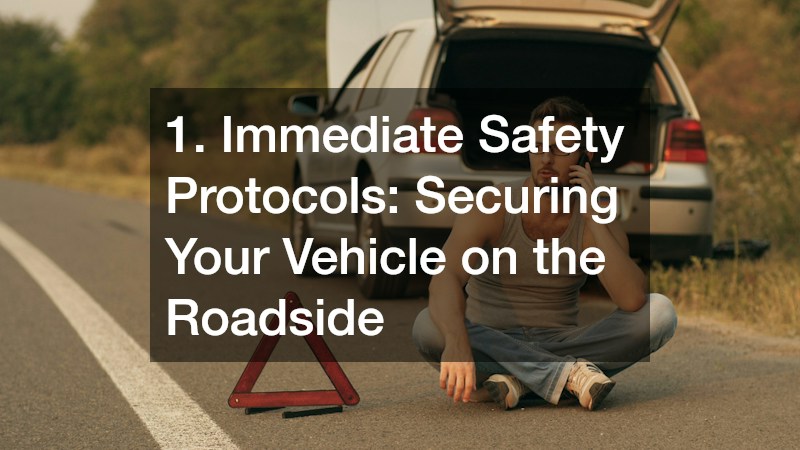
The moments immediately following a mechanical failure or tire disablement dictate the safety of everyone involved. When a vehicle begins to fail, your first priority must be moving out of the active flow of traffic while you still have rolling momentum.
Actions for securing your vehicle on the shoulder:
-
Guide the vehicle to a safe stopping zone: Use remaining momentum to steer toward the right shoulder whenever possible, avoiding left-shoulder stops on multi-lane highways where passing speeds are highest.
-
Angle wheels away from traffic: Once stopped on a shoulder or slope, turn the front wheels away from the travel lane so the vehicle will not roll into traffic if struck from behind.
-
Activate emergency hazard lights: Turn on hazard flashers immediately, regardless of the time of day, to alert approaching drivers to an stationary hazard.
-
Deploy physical warning devices: If you have reflective triangles or emergency flares, place them 50 to 100 feet behind your vehicle to give oncoming traffic ample notice to change lanes.
Deciding whether to stay inside the vehicle or exit depends heavily on your surroundings. If you are stopped on a high-speed interstate with a narrow shoulder, remaining inside the cabin with your seatbelt securely fastened offers superior structural protection compared to standing near active lanes. Conversely, if you can safely exit through the passenger-side door and stand behind a concrete barrier guardrail or up an embankment well clear of the road, doing so removes you entirely from the line of potential impact.
2. Under the Hood and On the Ground: Performing a Safe Mechanical Assessment
Once the vehicle is stabilized and hazard warnings are active, evaluating the mechanical state of the machine helps determine whether the vehicle can be safely limped to an exit or requires immediate flatbed recovery.
Steps for conducting a safe visual assessment:
-
Review dashboard indicators: Take note of active warning symbols, paying special attention to red critical icons like low oil pressure, high engine temperature, or battery charging faults.
-
Inspect the ground for fluid leaks: Check beneath the engine and transmission bays for active drips, noting fluid color—green or orange for engine coolant, dark brown or black for motor oil, and pink or red for transmission fluid.
-
Check for hanging components: Look beneath the chassis to see if low-hanging exhaust pipes, broken heat shields, or detached splash guards are dragging on the pavement.
-
Detect unusual odors: Note distinct smells, such as the sweet scent of leaking antifreeze, the acrid odor of electrical short circuits, or the heavy smell of burning oil or friction lining.
Drivers who carry essential auto supplies in their trunk—such as spare fuses, extra coolant, high-visibility vests, and basic hand tools—are often equipped to address minor non-structural issues on quiet secondary roads. However, safety must remain paramount. Never attempt to open a hot, pressurized radiator cap, touch exhaust components, or crawl underneath a vehicle supported only by a emergency scissor jack while parked on an uneven shoulder.
3. Structural and Glass Evaluation: Identifying Body and Window Hazards
Roadside emergencies are not limited to internal engine failures; highway debris, tire tread separations, and minor fender benders can inflict structural and glass damage that renders a vehicle unsafe to operate.
Evaluating exterior damage and glass integrity:
-
Inspect tire clearances: Check around wheel wells to ensure bent body panels, torn plastic fender liners, or damaged bumper covers are not rubbing directly against tire tread.
-
Verify latch mechanisms: Confirm that the primary and secondary latches on the hood and trunk are fully engaged so panels do not catch wind and fly open during transport.
-
Examine windshield structural integrity: Inspect glass for severe spiderweb cracks, deep impact bullseyes, or shattered tempered side glass that compromises cabin visibility or structural support.
-
Clear loose debris safely: Carefully sweep away loose glass fragments from seating areas using heavy gloves or cloth, avoiding direct hand contact.
When flying road debris or minor collisions cause severe spiderwebbing across the front windshield, continuing to drive becomes a major safety risk. In these instances, coordinating with auto glass replacement services ensures the vehicle receives proper laminated glass installation before returning to highway speeds. Furthermore, taking clear, high-resolution photographs of all crushed bodywork, damaged lights, and scraped structural components right at the breakdown site establishes an accurate paper trail that simplifies subsequent car collision repairs with your insurance provider.
4. Heavy-Duty and Commercial Vehicles: Assessing Specialized Truck Breakdowns
Commercial trucks, heavy-duty pickups, and vehicles towing trailers present unique challenges during a roadside event. Their sheer mass, complex pneumatic systems, and heavy payloads require a specialized approach to assessment and securing.
Specialized checks for heavy-duty vehicles and payloads:
-
Monitor air system pressure: Check air brake supply gauges for rapid pressure drops or audible air leaks around gladhands and brake chambers on medium- and heavy-duty setups.
-
Inspect towing connections: Examine safety chains, weight-distribution hitches, breakaway cables, and electrical wiring harnesses for physical binding or separation.
-
Examine suspension and axle hardware: Look for cracked leaf spring packs, loose U-bolts, or overheated wheel hubs that indicate bearing failure.
-
Secure bed contents and cargo: Double-check that all loose equipment, straps, tools, or building materials in the rear cargo box are anchored tightly to prevent wind-blown loss.
For pickup owners carrying expensive tools or commercial goods, securing cargo during an extended roadside wait is critical. Closing and locking a heavy-duty truck bed cover protects high-value tools and materials from weather exposure and opportunistic theft while you await recovery. Because heavy-duty trucks cannot be towed using standard passenger equipment, specifying your vehicle’s gross weight rating and payload status ensures appropriate recovery gear is dispatched.
5. Diesel Engine Failures: Handling High-Pressure Fuel and Turbo Systems
Diesel powertrains offer exceptional torque and efficiency, but their specialized high-pressure fuel systems, forced-induction turbochargers, and complex emissions systems require distinct diagnostic considerations when a breakdown occurs.
Key considerations for diesel engine breakdowns:
-
Identify turbocharger boost loss: Watch for sudden power loss accompanied by loud whistling, whining noises, or dense black exhaust smoke, which indicates split intercooler boots or failed turbo vanes.
-
Check fuel system indicators: Look for illumination of water-in-fuel warning lights or restrictions caused by clogged fuel filters, especially during freezing weather when diesel waxing occurs.
-
Monitor exhaust fluid warnings: Take note of Diesel Exhaust Fluid (DEF) system warnings or forced engine derate messages that limit vehicle speed.
-
Observe engine speed stability: Watch for erratic idling or runaway engine conditions, knowing how to shut off ignition systems safely if fuel or oil vapor enters the air intake.
When a diesel truck suffers an electronic fault or minor fuel line issue, dispatching technicians who offer mobile diesel repairs can often resolve sensor glitches, replace clogged fuel filters, or prime air-bound fuel systems directly on the shoulder. If the failure involves internal high-pressure pump damage, severe turbocharger failure, or mechanical valvetrain damage, the vehicle must be towed directly to a facility that specializes in comprehensive mobile diesel repairs equipped with industrial engine lifts and high-pressure diagnostic equipment.
6. Calling for Help: How to Give Towing Dispatchers Accurate Information
When you contact a roadside assistance operator or towing provider, the speed and accuracy of their response depend directly on the information you provide. Dispatchers must match the right class of tow vehicle and equipment to your specific situation.
Information to communicate to the dispatcher:
-
Precise location data: Provide highway mile markers, exit numbers, direction of travel, cross streets, or drop a live GPS pin using smartphone mapping software.
-
Drivetrain and vehicle specs: State your vehicle’s year, make, model, and drivetrain layout (All-Wheel Drive, Four-Wheel Drive, Front-Wheel Drive, or Rear-Wheel Drive) to determine the transport method.
-
Vehicle condition and rolling status: Inform the dispatcher if steering is locked, wheels are missing, tires are shredded, or keyless electronics are completely unresponsive.
-
Access restrictions: Mention if your vehicle is trapped in a low-clearance parking garage, situated on a steep slope, or off the road in a ditch requiring winch extraction.
Requesting assistance from an established tow truck company ensures that trained operators arrive with clean, modern equipment suited to your vehicle’s weight and design. Utilizing a specialized flatbed tow truck service is particularly vital for all-wheel-drive vehicles, lowered cars, or vehicles with severe suspension damage, as flatbed transport keeps all four wheels off the pavement, preventing costly transmission and transfer case destruction during transit.
7. Transport and Logistics: Choosing the Correct Repair Destination

Deciding where your vehicle should be towed is a critical decision that impacts repair timelines, daily transportation, and overall costs. Depending on whether you are near your hometown or far away on a road trip, destination choices vary significantly.
Factors for selecting an effective repair destination:
-
Evaluate location relative to home: Decide whether towing to a nearby local shop makes sense for immediate service or if long-distance transport back to your home city is preferable.
-
Confirm shop operational hours: Verify if the receiving facility is open, has available bay capacity, and accepts after-hours key-drop deposits.
-
Match mechanical faults to shop specialty: Route specialized engine, electrical, or drivability problems to dedicated mechanical facilities rather than general body shops.
-
Check secure parking availability: Ensure the destination shop has a fenced, secure yard if the vehicle must sit outside overnight with damaged locks or windows.
Directing standard passenger vehicles to established local auto repair services guarantees that general mechanical work—such as alternator replacements, water pump installs, or brake repairs—can begin promptly. If your vehicle is a commercial fleet vehicle or heavy-duty platform, ensure the tow operator delivers the chassis to specialized truck repair facilities that possess high-capacity lift bays, heavy-duty alignment racks, and commercial diagnostic software.
8. Managing Passengers, Pets, and Personal Belongings
While the mechanical health of the vehicle requires careful attention, managing the safety and comfort of human and animal passengers is equally important during a roadside recovery operation.
Managing passengers and cabin contents during a breakdown:
-
Plan passenger transportation: Remember that most standard tow truck cabs can only accommodate one to two passengers legally; arrange rideshare or taxi pickup for remaining family members.
-
Keep pets secured: Keep dogs on short leashes and cats inside secure carriers before opening vehicle doors near active traffic lanes.
-
Gather essential personal effects: Remove wallets, house keys, prescription medications, mobile phone chargers, and vital identification from the cabin before the vehicle is loaded.
-
Document cabin contents: Take quick photos of the interior and trunk area if personal property or tools must remain inside the vehicle while at a tow yard or shop.
Communicating passenger counts to your tow dispatcher early allows them to send an extended-cab tow vehicle if available, or coordinate secondary transport simultaneously. Ensuring everyone is safely transitioned away from the roadside minimizes chaos when the heavy recovery equipment arrives on scene.
9. Navigating Insurance, Roadside Coverage, and Documentation
The financial and administrative details of a roadside breakdown can be smoothly managed if you record accurate details right from the beginning.
Best practices for insurance and claim documentation:
-
Photograph the entire scene: Take wide shots showing your vehicle’s position on the road, weather conditions, surrounding traffic control devices, and specific damage points.
-
Obtain itemized receipts: Request detailed receipts from the tow operator showing base hook-up charges, per-mile rates, winching fees, and storage costs.
-
Check policy endorsements: Review your auto insurance policy, credit card perks, or motor club benefits to verify coverage limits and reimbursement requirements.
-
Log timeline details: Keep a written record of the time the breakdown occurred, when assistance was called, when the tow truck arrived, and when the vehicle was delivered.
Thorough documentation protects you against unexpected charges and ensures seamless reimbursement from insurance carriers or motor club plans. Keeping clear records also assists repair technicians in understanding the exact sequence of events that led to mechanical failure.
10. Post-Breakdown Follow-Up: From Tow Lot to Road-Ready
The breakdown process concludes when your vehicle is safely delivered to the repair shop, accurately diagnosed, and restored to safe operating condition. Maintaining active communication with the service facility ensures work proceeds efficiently.
Steps for managing post-tow vehicle repairs:
-
Confirm delivery receipt: Call the repair facility to verify that the vehicle arrived, key drop box keys were retrieved, and the vehicle was logged into their system.
-
Provide clear diagnostic symptoms: Describe exact sounds, smells, dashboard warnings, and driving behaviors experienced right before the breakdown occurred.
-
Review written estimates: Request a line-item estimate detailing parts, labor, and diagnostic charges before authorizing mechanical teardown or repairs.
-
Inspect work before key handoff: Verify that all requested repairs are complete, warning lights are cleared, and fluid levels are correct before driving away.
Developing an ongoing maintenance routine following a major repair prevents recurring roadside incidents. Regularly checking tire inflation, inspecting belt condition, monitoring fluid levels, and maintaining an emergency roadside kit ensures you remain prepared for whatever the road presents.
By taking control of roadside safety, making accurate visual assessments, providing towing dispatchers with clear information, and selecting specialized repair partners, you can navigate the stress of a vehicle breakdown with confidence and security.