Maintaining the pristine finish of an automobile has evolved significantly beyond the traditional routine of Sunday morning washing and quarterly waxing. Modern automotive preservation relies on advanced chemical engineering to keep vehicles looking showroom-ready for years rather than weeks. Among these modern innovations, car ceramic coating has emerged as the premier choice for drivers seeking long-lasting exterior protection, remarkable shine, and effortless maintenance. Understanding the science behind this chemical marvel and how it interacts with factory paint can help vehicle owners decide if this investment is right for their automotive care goals.
What Exactly is Ceramic Coating?
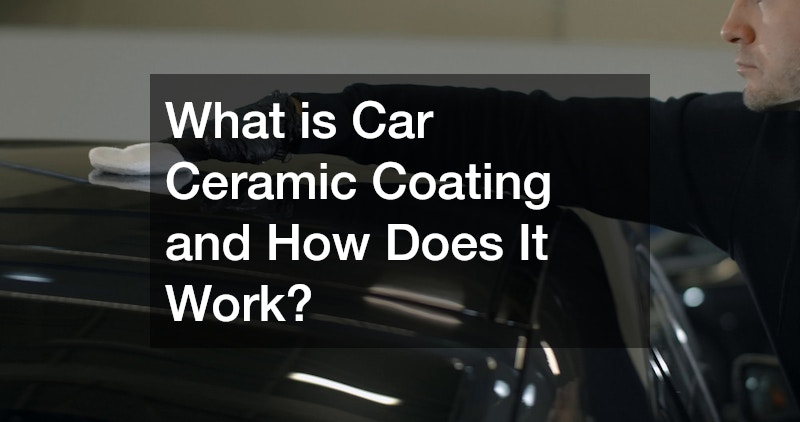
At its core, a car ceramic coating is a liquid polymer solution that is meticulously applied by hand to the exterior surfaces of a vehicle. The primary active ingredient in high-grade ceramic products is silicon dioxide, often sourced from natural materials like quartz and sand, sometimes blended with titanium dioxide for added clarity and hardness. When applied to a car’s painted surfaces, this liquid formula undergoes a chemical reaction with the original factory clear coat. Rather than sitting loosely on top of the paint like traditional carnauba wax or synthetic sealants, the polymer forms a hydrophobic, semi-permanent chemical bond with the substrate. Once fully cured, this thin transparent layer creates a protective shield that behaves like an extra layer of durable clear coat.
How Does the Chemical Bond Work?
To understand how this protective technology functions, one must look at automotive paint under microscopic magnification. Even the most flawless, freshly polished car paint contains tiny microscopic peaks, valleys, and pores. Over time, road grime, water spots, industrial fallout, and brake dust settle into these microscopic valleys, dulling the paint’s appearance and initiating oxidation.
When a professional applies a car ceramic coating, the liquid nanoparticles flow into these minuscule imperfections, completely filling the pores and leveling out the surface. As the liquid evaporates and cures, the silicon dioxide molecules cross-link into a dense, solid crystalline lattice structure. This ultra-smooth glass-like surface drastically increases surface tension, producing a powerful hydrophobic effect. Water, dirt, mud, and environmental pollutants are unable to anchor themselves to the slick finish, causing water to form tight beads and roll off the vehicle naturally while carrying away surface contamination.
The Key Advantages of Applying Ceramic Protection
The structural advantages of a cured ceramic layer go far beyond basic aesthetics. One of the most significant benefits is resistance against harsh environmental threats. Factory paint is constantly exposed to harmful ultraviolet rays from the sun, which cause paint oxidation, fading, and dullness over time. The dense crystalline shield acts as a barrier, reflecting solar radiation and preserving the depth and richness of the original paint color.
Additionally, the coating offers exceptional resistance against acidic contaminants. Bird droppings, tree sap, bug splatters, and road salts contain corrosive acids that can etch directly into factory clear coats within hours if left untreated. The hard chemical barrier absorbs these acidic attacks, giving car owners a significantly wider window of time to wash away contaminants before permanent damage occurs. Moreover, the enhanced light refraction through the smooth crystalline layer gives the vehicle a continuous, deep gloss, mirror-like finish that wax simply cannot duplicate.
Debunking Common Misconceptions
While ceramic protection offers unmatched longevity and durability, it is equally important to understand its limitations. A common misconception among car enthusiasts is that ceramic products make a vehicle completely scratch-proof or impervious to rock chips. While the coating does offer minor resistance against faint washing swirls and micro-abrasions due to its high hardness rating, it cannot absorb the high-velocity impact of flying gravel or intentional vandalism.
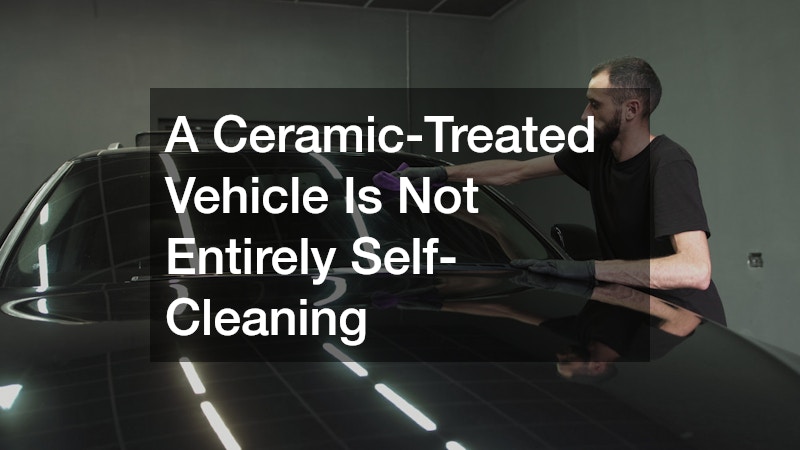
Furthermore, a ceramic-treated vehicle is not entirely self-cleaning. Although washing becomes dramatically easier because dirt glides off effortlessly without aggressive scrubbing, routine maintenance washes are still necessary to maintain the coating’s hydrophobic performance and prevent surface contamination buildup.
A Worthwhile Investment in Vehicle Maintenance
For car owners dedicated to preserving their vehicle’s aesthetic appeal and resale value, modern paint protection technology represents a massive leap forward. By forming an unyielding chemical bond at the microscopic level, ceramic sealants transform vulnerable factory paint into a resilient, self-shedding shield. While the initial application requires meticulous paint preparation and precise curing, the payoff is years of deep luster, simplified washing routines, and robust defense against environmental wear and tear.