- Coverage depends on the cause of the damage, the policy terms, applicable limits, exclusions, and the deductible.
- Collision and comprehensive coverage may pay for certain types of vehicle damage, while routine maintenance and normal wear are generally treated differently.
- The deductible is the portion of an approved claim the policyholder generally pays before the insurer contributes toward eligible costs.
- After an incident, drivers should document the damage, report the claim, keep records, and understand the repair estimate before authorizing major work.
- Rental-car coverage may be available under some policies, but daily limits, maximum amounts, and eligibility requirements can apply.
- If repair costs become very high compared with the vehicle’s value, the insurer may evaluate the vehicle as a potential total loss rather than simply approving repairs.
- Reviewing coverage, deductibles, limits, exclusions, and rental benefits before an accident can help drivers understand their potential financial responsibility.
Whether car insurance pays for repairs depends on the type of damage, the coverage included in the policy, who caused the incident, and the circumstances surrounding the loss. A policy may cover repairs after a collision, theft, vandalism, falling objects, weather-related damage, or other covered events, but ordinary mechanical wear and maintenance are usually treated differently. Understanding these distinctions can help drivers avoid unexpected bills and know what questions to ask after their vehicle is damaged. Before authorizing expensive work, it is important to review the policy, understand the deductible, document the damage, and communicate with the insurer about the claims process.
When Does Car Insurance Typically Cover Repairs?
Car insurance generally pays for repairs when the damage results from an event covered by the policy. The exact coverage depends on the policy’s terms, limits, exclusions, and deductible. Collision coverage is commonly associated with damage caused by crashes, while comprehensive coverage can apply to certain non-collision events. Liability coverage works differently because it generally addresses damage or injuries for which the insured is legally responsible rather than automatically paying to repair the insured driver’s own vehicle. Because policies differ, drivers should not assume that every type of damage qualifies for reimbursement.
Common situations that may result in covered repairs include:
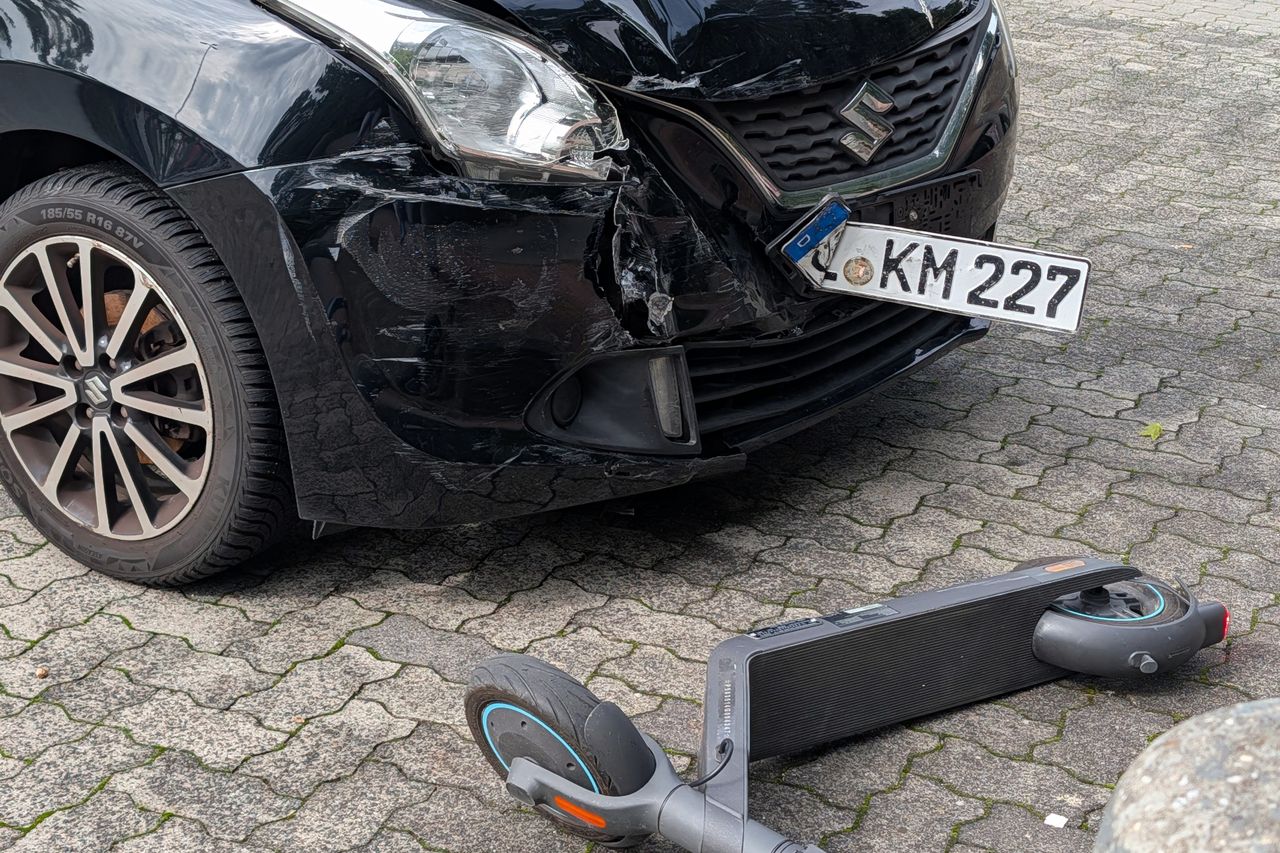
- Collision damage: Collision coverage may help pay to repair the insured vehicle after a covered crash, subject to the policy deductible and limits.
- Weather-related damage: Comprehensive coverage may apply when events such as hail, falling objects, or certain natural hazards damage the vehicle.
- Vandalism: Damage intentionally caused by another person may be covered under comprehensive insurance when that coverage is included.
- Theft-related damage: Comprehensive coverage may help with damage caused by an attempted theft or, depending on the circumstances, losses involving a stolen vehicle.
- Animal collisions: In many policies, hitting an animal is handled under comprehensive coverage rather than collision coverage.
- Damage caused by another driver: Depending on the circumstances and applicable coverage, the other driver’s liability insurance may potentially pay for repairs.
The important point is that coverage depends on why the damage occurred, not simply on the fact that the vehicle needs repairs. A driver should identify the event that caused the damage and then determine whether the relevant policy provision applies.
Does Insurance Pay for Mechanical Problems and Wear?
Insurance and mechanical maintenance are not generally interchangeable. Car insurance is primarily designed to protect against specified risks and losses rather than the gradual deterioration that naturally occurs as a vehicle ages. Problems such as worn brake pads, aging batteries, exhausted tires, routine fluid replacement, and many mechanical failures caused by normal use are typically maintenance expenses rather than insured losses. However, a mechanical component may sometimes be damaged as a direct result of a covered accident or another covered event. The distinction between the original cause of the problem and ordinary wear can therefore become important when a claim is evaluated.
Drivers should distinguish between several categories of vehicle expenses:
- Routine maintenance: Oil changes, tire replacement, brake servicing, and similar maintenance are normally the owner’s responsibility.
- Wear and tear: Components that gradually deteriorate through normal use generally aren’t treated the same way as accident damage.
- Sudden mechanical failure: A component failing unexpectedly does not automatically mean insurance will pay for the repair.
- Accident-related damage: If a covered collision damages a mechanical component, the resulting repair may be considered as part of the covered loss.
- Neglect-related problems: Damage associated with failing to maintain a vehicle may be treated differently from damage caused by an insured event.
For example, if an engine develops a problem because of ordinary age and wear, a standard auto insurance policy generally isn’t intended to function as a mechanical breakdown warranty. If the engine or related components are damaged in a covered collision, however, the circumstances are different.
Some drivers purchase separate products, such as mechanical breakdown coverage or extended service contracts, that may address certain mechanical failures. Those products have their own terms, eligibility requirements, exclusions, and limits, so they should not be confused with standard auto insurance.
How Do Deductibles Affect Repair Costs?
A deductible is the amount a policyholder is generally responsible for paying toward a covered claim before the insurer contributes according to the policy terms. Understanding the deductible is essential when deciding whether filing a claim makes financial sense. If repairs cost only slightly more than the deductible, the potential insurance payment may be relatively small. For larger covered losses, insurance may contribute substantially after the deductible is applied, subject to policy limits and other conditions. The exact calculation depends on the type of coverage and the circumstances of the claim.
Consider a simplified example. Suppose a covered collision results in $4,000 of eligible repair costs and the applicable deductible is $1,000. If the claim is approved and no other policy limitations apply, the policyholder could generally be responsible for the deductible while the insurer covers the remaining eligible amount.
Before filing a claim, consider:
- The estimated repair cost: Obtain a reasonable estimate so you understand the approximate size of the loss.
- Your deductible: Know which deductible applies to the specific coverage involved.
- The extent of damage: A minor repair may not create a large insurance payment after the deductible.
- Other policy provisions: Limits, exclusions, depreciation rules, and other terms may affect the final amount.
- Potential future considerations: Drivers should understand their insurer’s policies regarding claims history and premiums rather than assuming that every claim will have the same effect.
A deductible does not mean that the insurer automatically pays every repair bill above that amount. The insurer first determines whether the loss is covered and how much of the repair is eligible under the policy.
What Happens After You File a Claim?

The claims process usually begins with reporting the incident to the insurer and providing information about what happened. Depending on the circumstances, the insurer may request photographs, police documentation, repair estimates, vehicle information, or other evidence. An adjuster or claims representative may then evaluate the damage and determine whether it falls within the policy’s coverage. The process can vary by insurer, state, claim type, and severity of the damage. Keeping organized records from the beginning can make communication easier and help prevent misunderstandings about what is being evaluated.
After an incident, drivers should consider these steps:
- Prioritize safety. Move away from immediate hazards when possible and seek emergency assistance if someone is injured.
- Document the scene. Take photographs or videos of visible damage and relevant surroundings when it is safe to do so.
- Exchange information when appropriate. After a collision, gather the necessary information from other involved parties and witnesses.
- Report the incident. Follow the insurer’s instructions for notifying it about a potential claim.
- Obtain repair information. An estimate can help establish the likely cost of restoring the vehicle.
- Keep records. Save photographs, estimates, correspondence, receipts, and other relevant documents.
- Ask questions before authorizing major work. Make sure you understand what has been approved and what may remain your responsibility.
A claim evaluation may involve more than looking at the final repair invoice. The insurer may assess whether the reported damage is consistent with the incident, whether the repairs are necessary, and which portions are covered under the policy.
Drivers should also understand that a repair estimate is not necessarily the same as the final settlement amount. Additional damage can sometimes become apparent after a vehicle is disassembled. In that situation, communication between the repair facility and insurer may be necessary to determine whether supplemental repairs are covered.
Can You Choose Where Your Car Gets Repaired?
The process for selecting a repair facility can vary depending on the insurer, jurisdiction, policy terms, and circumstances of the claim. Drivers may be presented with a network of repair facilities, but that does not necessarily mean every situation works the same way. Before authorizing repairs, it is useful to understand whether the insurer has recommended facilities, whether the policy contains specific requirements, and how estimates will be handled. The driver should also understand what happens if the selected repair shop’s estimate differs from the insurer’s initial assessment.
When evaluating a repair facility, consider:
- Experience with the type of damage: A facility familiar with collision repairs or the specific vehicle may be better positioned to identify relevant damage.
- Written estimates: Clear documentation makes it easier to compare proposed work.
- Parts information: Ask whether original equipment, aftermarket, or recycled components may be used and how the policy addresses them.
- Warranty information: Understand what warranty applies to the repair work and parts.
- Communication: A repair facility should be able to explain discovered damage and communicate changes to the estimate.
- Coordination with the insurer: Ask how supplements and additional damage will be communicated during the repair.
The phrase what does auto repair include can cover much more than replacing a visibly damaged body panel. Depending on the accident, repairs can involve structural components, suspension parts, electrical systems, sensors, lights, cooling components, safety equipment, and other vehicle systems.
Drivers should therefore avoid judging the extent of damage solely by what is visible from outside the vehicle. Modern vehicles contain interconnected systems, and an impact that appears minor may affect components that require further inspection.
What If the Repair Cost Is Higher Than the Vehicle’s Value?
Sometimes the cost of repairing a damaged vehicle becomes high relative to its market value. In these circumstances, the insurer may evaluate whether repairing the vehicle is economically appropriate under applicable rules and policy provisions. If a vehicle is considered a total loss, the process differs from an ordinary repair claim. Instead of paying to restore the vehicle, the insurer may determine an appropriate settlement based on the vehicle’s value and the applicable coverage.
A total-loss evaluation can involve several factors:
- Vehicle condition before the incident: The vehicle’s prior condition can influence its valuation.
- Mileage: Mileage is one factor that can affect market value.
- Age and equipment: Model year, trim level, options, and features may influence valuation.
- Comparable vehicles: Market information and comparable vehicles can be relevant to determining value.
- Damage severity: The estimated cost of repairs is compared with applicable thresholds or valuation considerations.
- Policy terms and local rules: Requirements can vary depending on jurisdiction and the specific insurance contract.
A driver who disagrees with a valuation should review the documentation supporting the insurer’s calculation and ask how the amount was determined. Depending on the circumstances, additional documentation about the vehicle’s condition, equipment, or comparable market values may be relevant.
Does Insurance Cover a Rental Car While Repairs Are Being Made?
Rental-car coverage is a separate consideration from coverage for the vehicle’s physical damage. Some policies include rental reimbursement or transportation expense coverage, while others do not. Even when the coverage exists, it may have daily limits, maximum amounts, or a specified duration. Drivers should therefore confirm the details before assuming that a rental vehicle will be fully covered throughout the entire repair period.
Questions worth asking include:
- Is rental reimbursement included in the policy?
- What is the daily coverage limit?
- Is there a maximum total amount?
- How long can the rental remain covered?
- Does the coverage apply to this particular type of claim?
- Does the insurer require use of a particular rental company or process?
If another driver’s liability insurance is responsible for the damage, rental-car expenses may be handled differently depending on the circumstances and applicable law. Documentation is important because rental reimbursement is subject to the relevant coverage and claim determination.
Drivers should also ask what happens if repairs take longer than initially expected. A delay caused by parts availability, additional damage, or repair complexity does not automatically mean every additional rental day will be covered.
When Might Insurance Not Pay for the Repairs?
Knowing when a claim may not be covered is just as important as understanding covered losses. Auto insurance policies contain exclusions and limitations that determine which events qualify for payment. A vehicle owner may also be responsible for costs that fall outside the approved scope of repairs. For example, routine maintenance is generally different from damage caused by a covered accident. Likewise, a policy may contain specific conditions relating to intentional damage, excluded drivers, unauthorized use, or other circumstances.
Potential reasons a repair expense may not be covered include:
- The damage is ordinary wear and tear.
- The relevant coverage is not included in the policy.
- The loss falls under a policy exclusion.
- The repair cost exceeds applicable coverage limits.
- The deductible accounts for much of the repair cost.
- The claimed damage is unrelated to the reported incident.
- Required policy conditions were not satisfied.
A claim denial does not necessarily mean that every question has been answered. If a claim or portion of a claim is denied, the driver should review the explanation and identify the specific policy provision involved. Asking the insurer to explain the decision in clear terms can help the policyholder understand what is and is not covered.
How Can You Prepare Before You Need to Make a Claim?
The easiest time to understand insurance coverage is before an accident occurs. Drivers can review their declarations page and policy documents periodically to identify the types of coverage they carry, deductibles, limits, and optional protections. Knowing these details in advance can reduce confusion when a stressful incident occurs. It is also useful to keep vehicle records organized, including maintenance documentation, photographs, registration information, and other relevant records. Good preparation does not guarantee a claim will be covered, but it can make the claims process easier to navigate.
Before an incident occurs, consider:
- Reviewing your policy: Make sure you understand collision, comprehensive, liability, and optional coverages.
- Checking deductibles: Know how much you would generally be responsible for under different types of claims.
- Understanding rental coverage: Confirm whether transportation expenses are included and identify applicable limits.
- Keeping vehicle records: Maintenance and ownership documentation can help establish vehicle history.
- Saving insurer contact information: Know how to report a claim quickly when necessary.
- Understanding exclusions: Pay attention to circumstances the policy specifically excludes.
- Reviewing coverage after major changes: A new vehicle, changed usage, or other circumstances may justify reviewing insurance needs.
Insurance policies are contracts, and the specific language matters. Drivers should rely on their own policy documents and insurer or qualified insurance professionals for definitive coverage determinations.
What Should You Ask the Insurance Company Before Repairing Your Car?
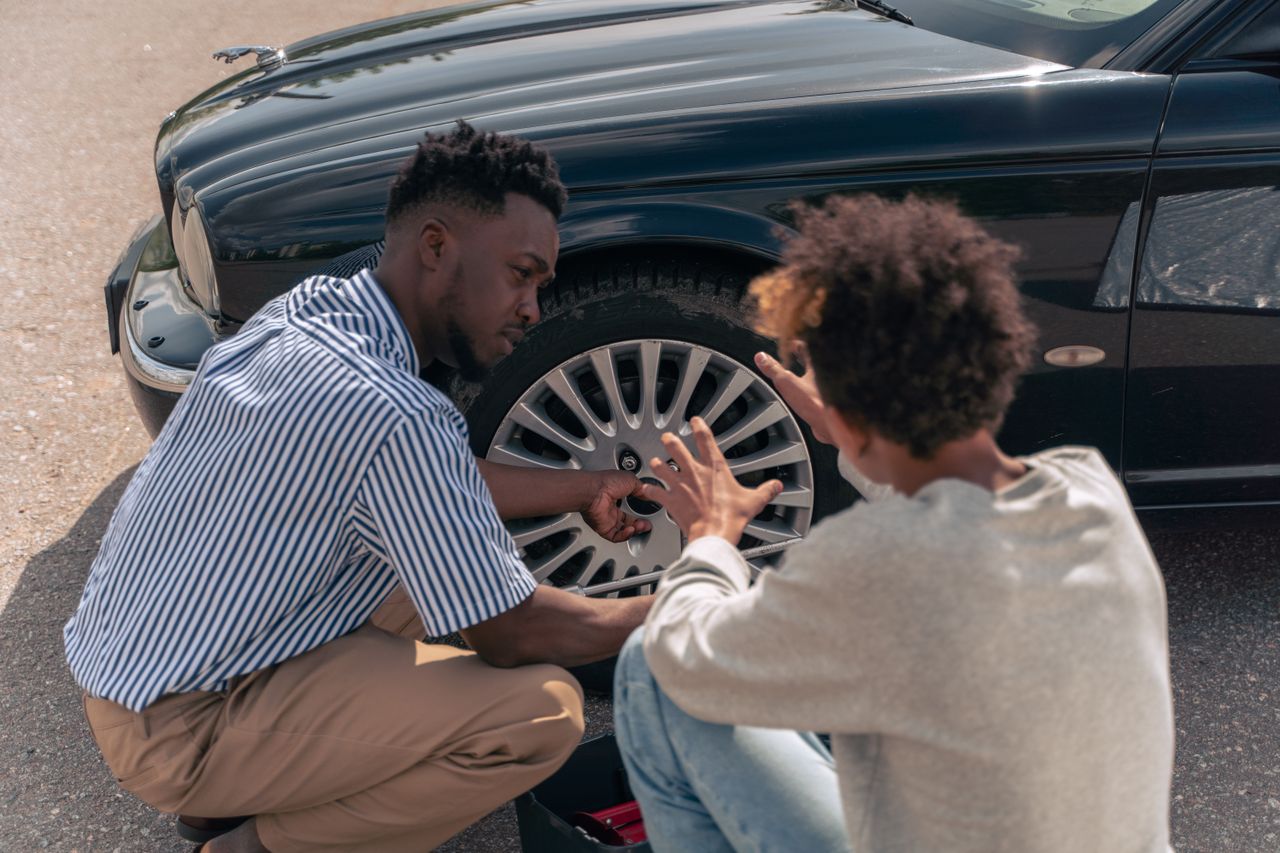
Clear communication can prevent many misunderstandings during a repair claim. Before authorizing significant work, drivers should understand what the insurer has approved, what deductible applies, whether additional damage requires authorization, and which expenses may remain their responsibility. It is also helpful to request important decisions or explanations in writing. Having a documented record makes it easier to refer back to what was discussed if circumstances change during the repair.
Useful questions include:
- Is this type of damage covered under my policy?
- Which coverage applies to the claim?
- What deductible will I have to pay?
- Has the initial repair estimate been approved?
- What happens if the repair shop discovers additional damage?
- Are there restrictions or requirements concerning repair facilities?
- What types of replacement parts are covered?
- Do I have rental or transportation coverage?
- What documentation do you need from me?
- If the vehicle is considered a total loss, how will its value be determined?
The answers will depend on the policy and claim. Asking these questions early gives drivers a clearer understanding of the financial responsibilities involved and helps them distinguish covered expenses from maintenance or other costs.
Final Thoughts
Whether insurance pays for car repairs depends primarily on the cause of the damage, the coverage included in the policy, the deductible, policy limits, exclusions, and the circumstances surrounding the claim. Collision and comprehensive coverage can address certain types of vehicle damage, while routine maintenance and normal wear are generally treated differently. Drivers can make the process easier by documenting damage, reporting incidents promptly, reviewing repair estimates, and asking the insurer specific questions about coverage before major work begins. Because every policy has its own terms, the most reliable way to determine whether a particular repair is covered is to review the policy and obtain a coverage decision from the insurer.